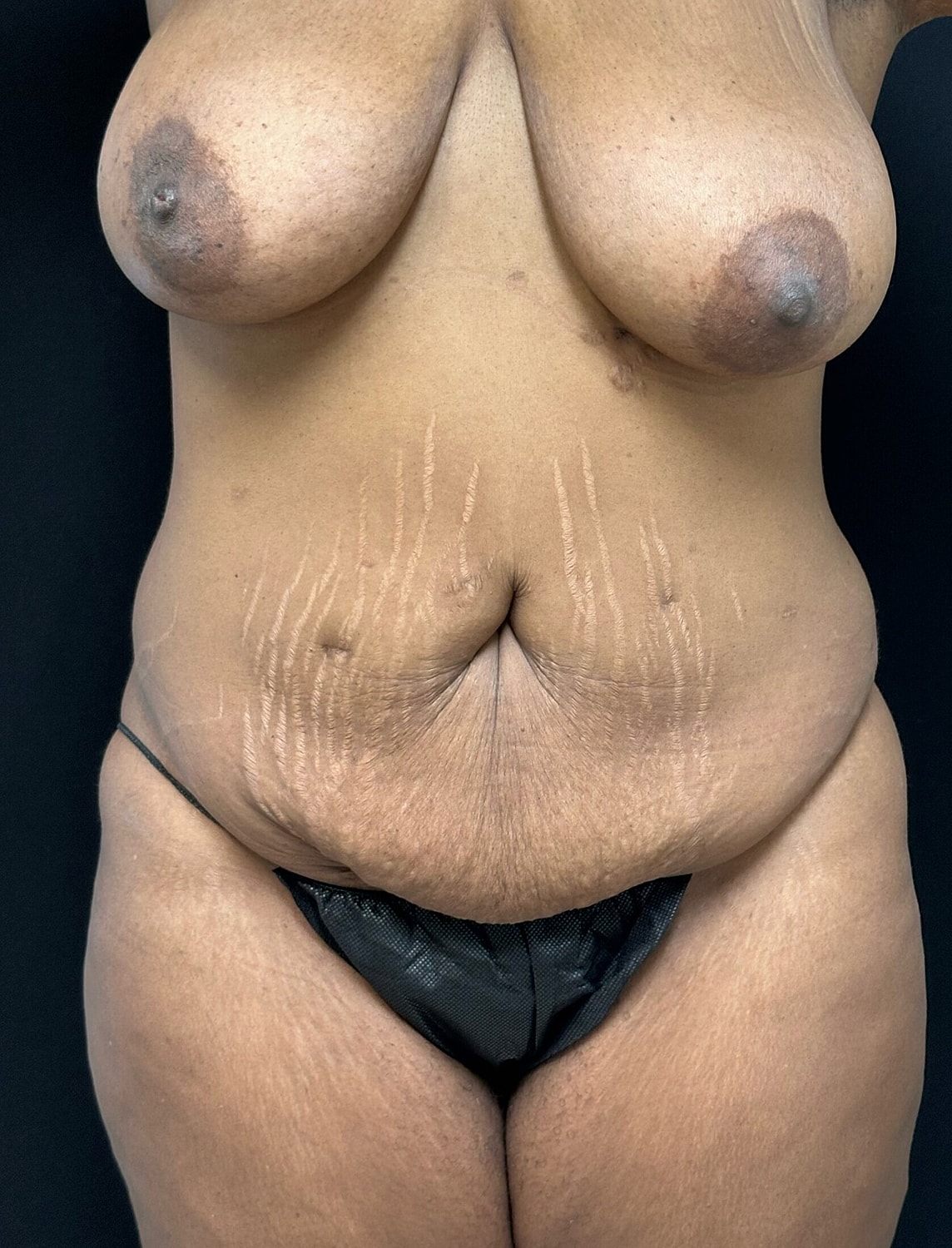
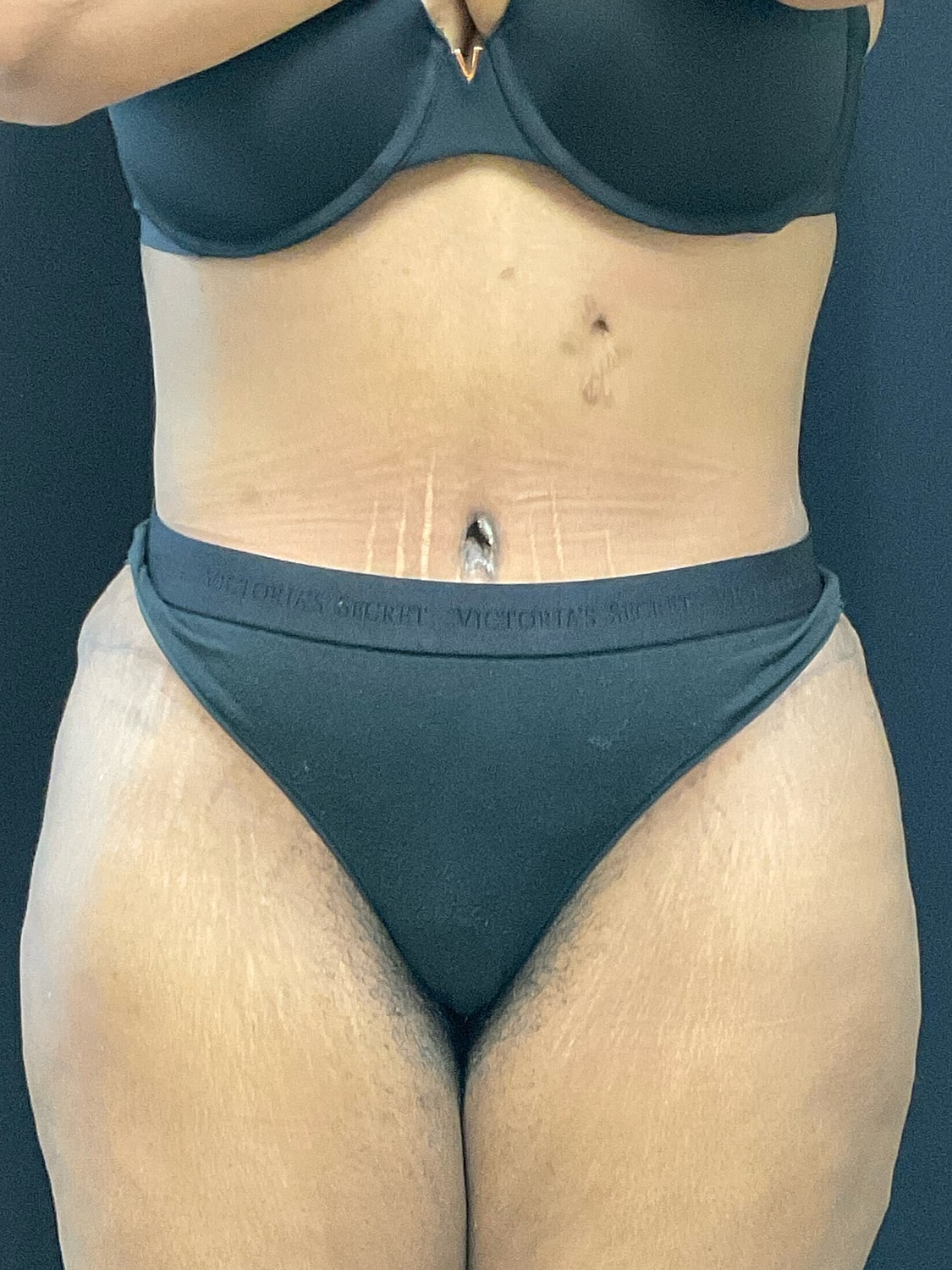
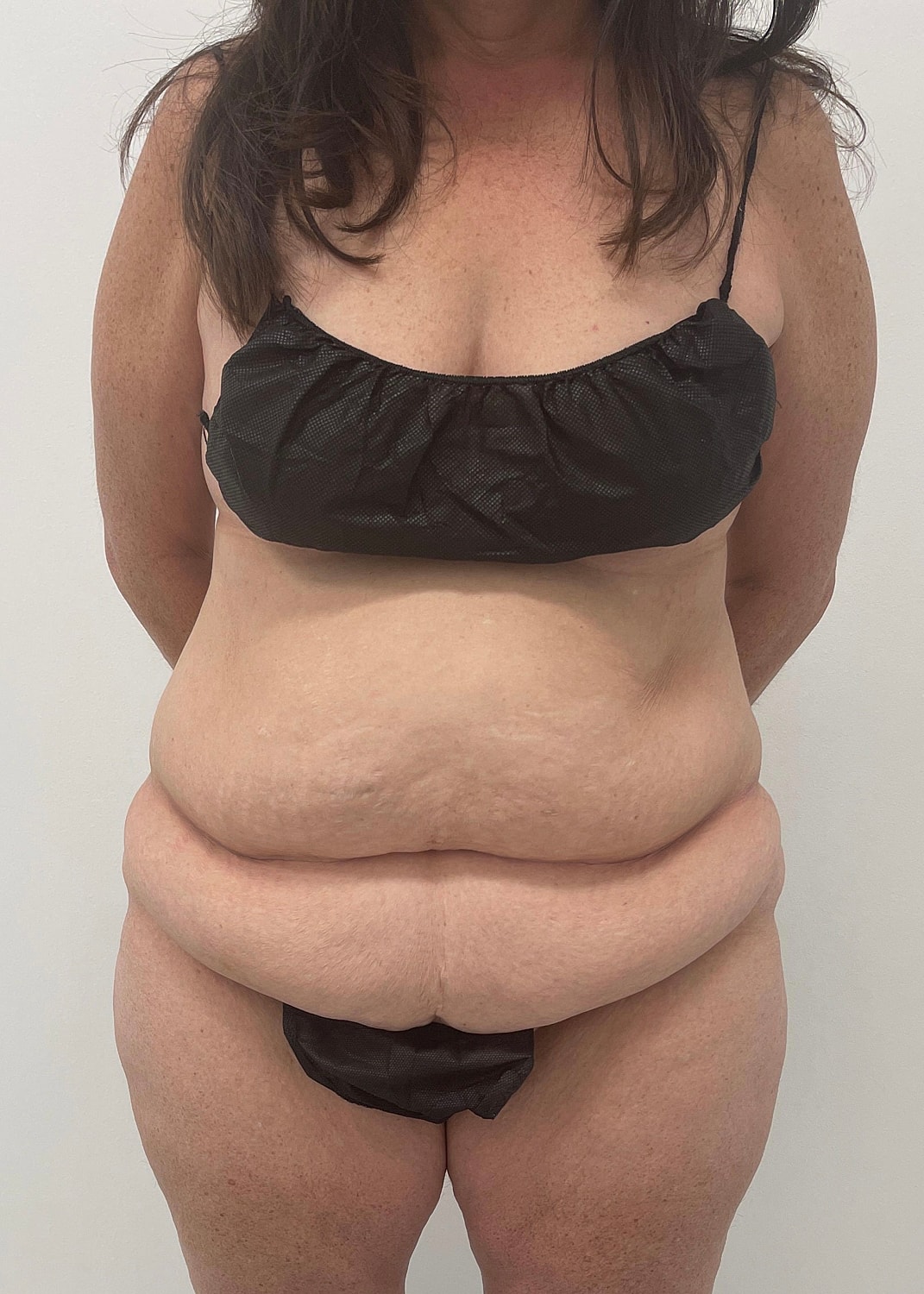
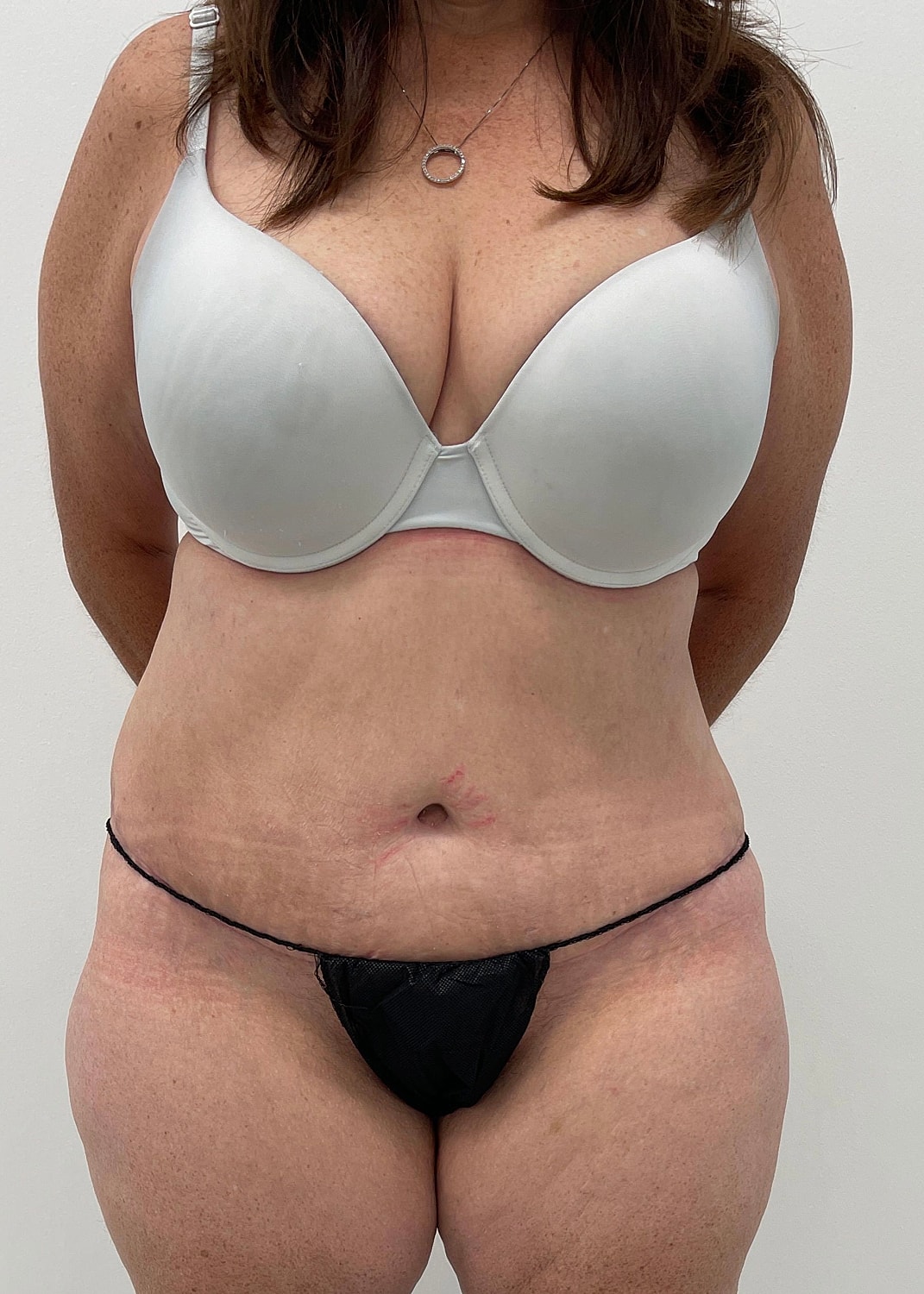
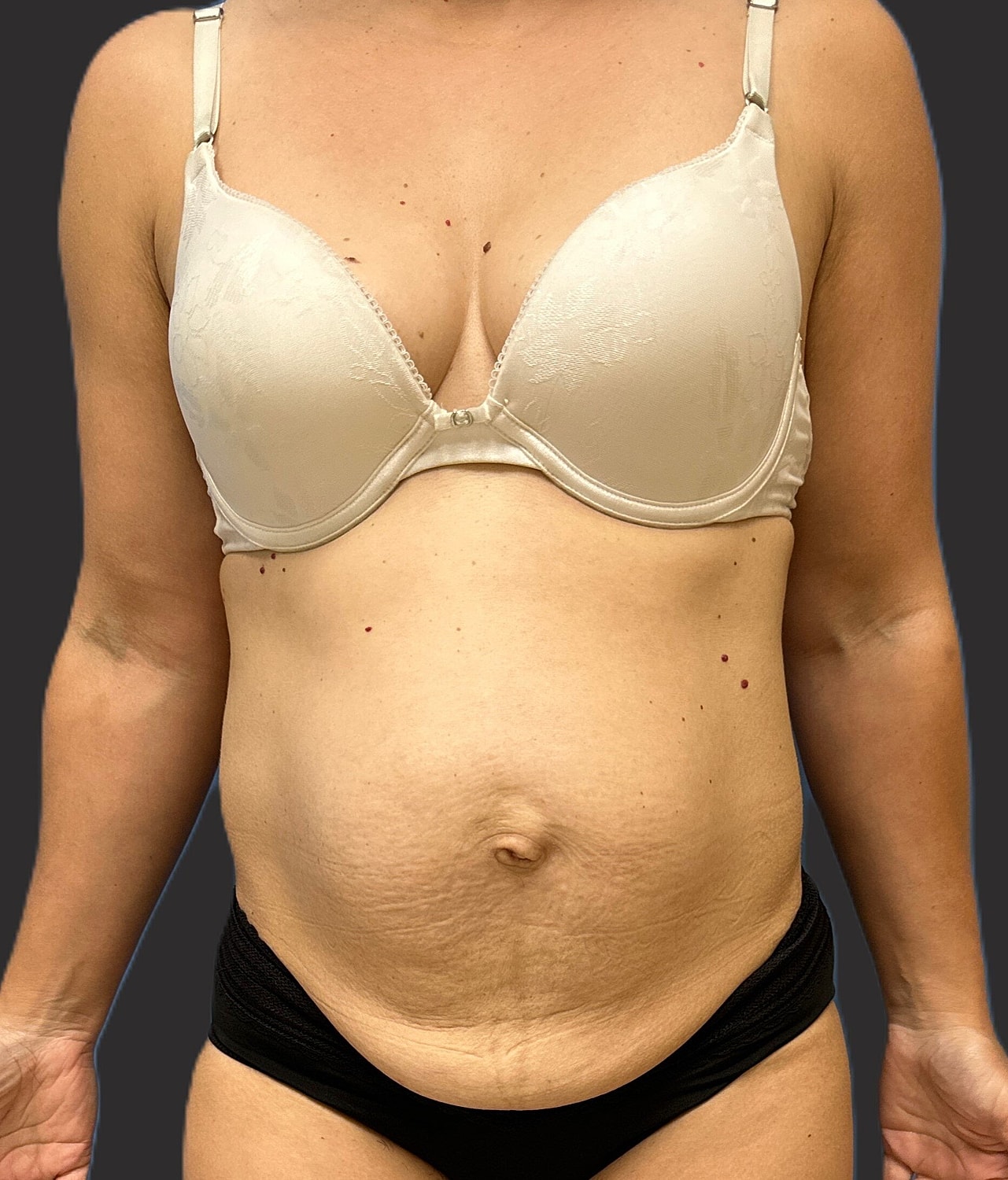
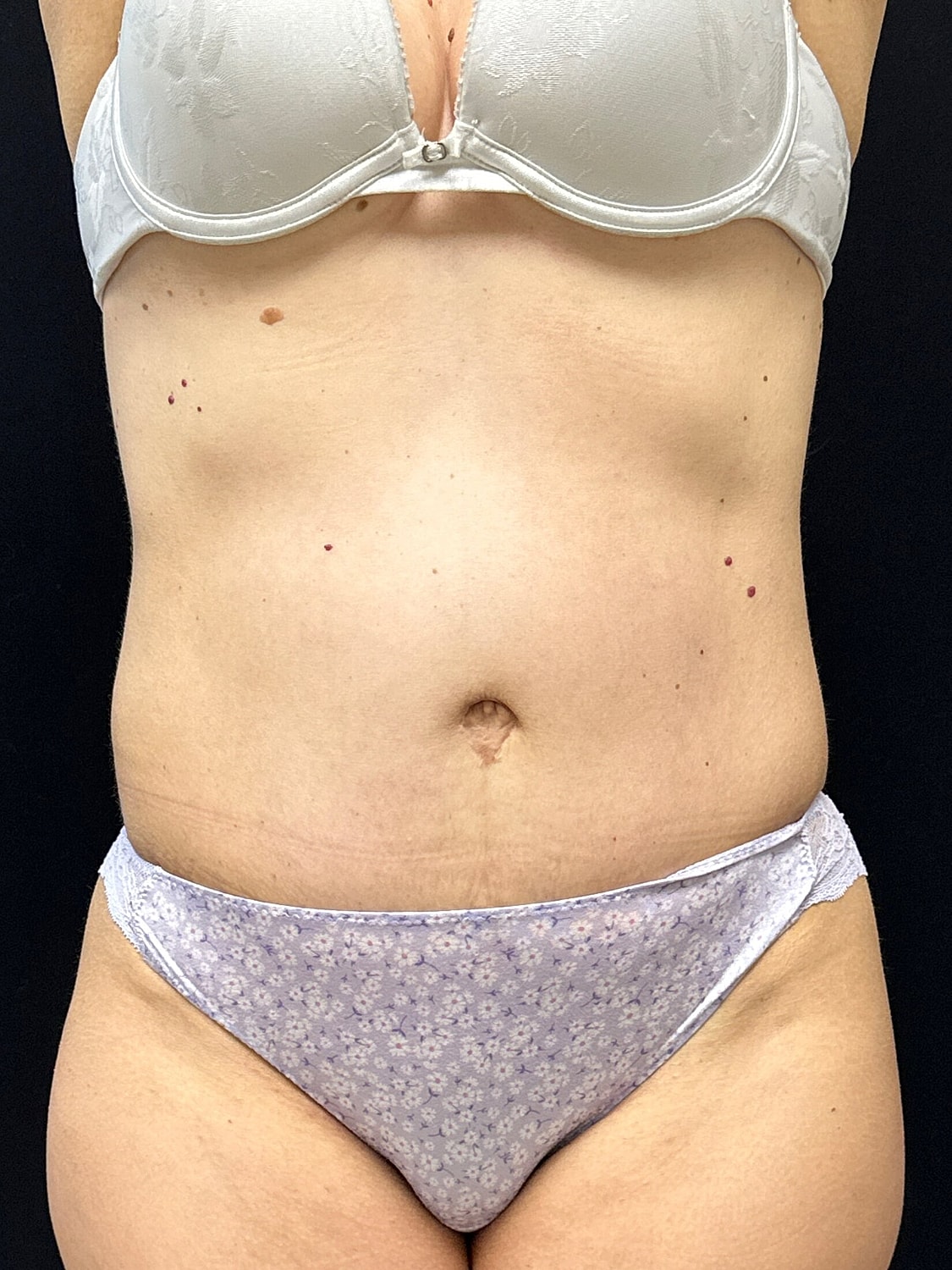
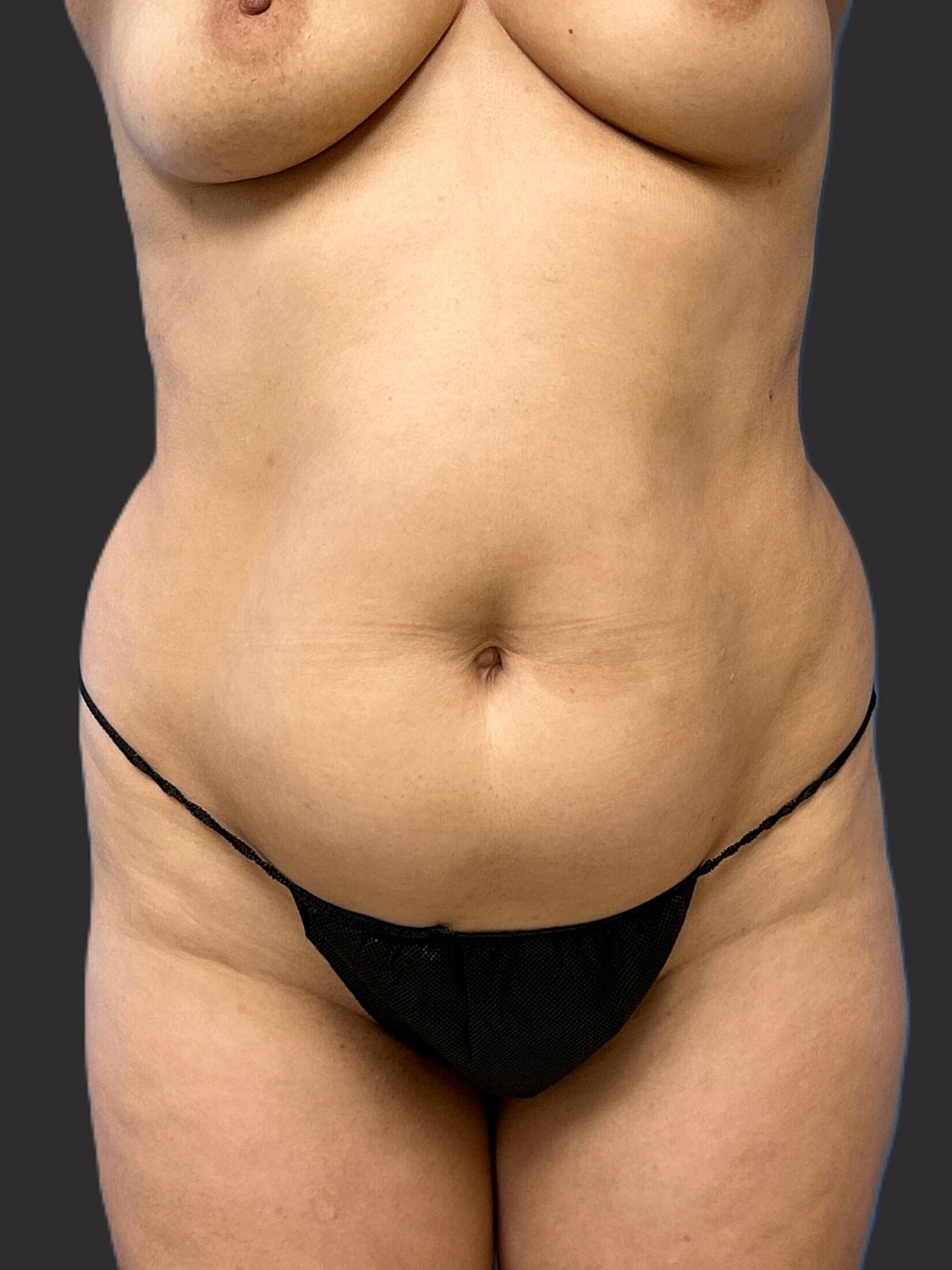
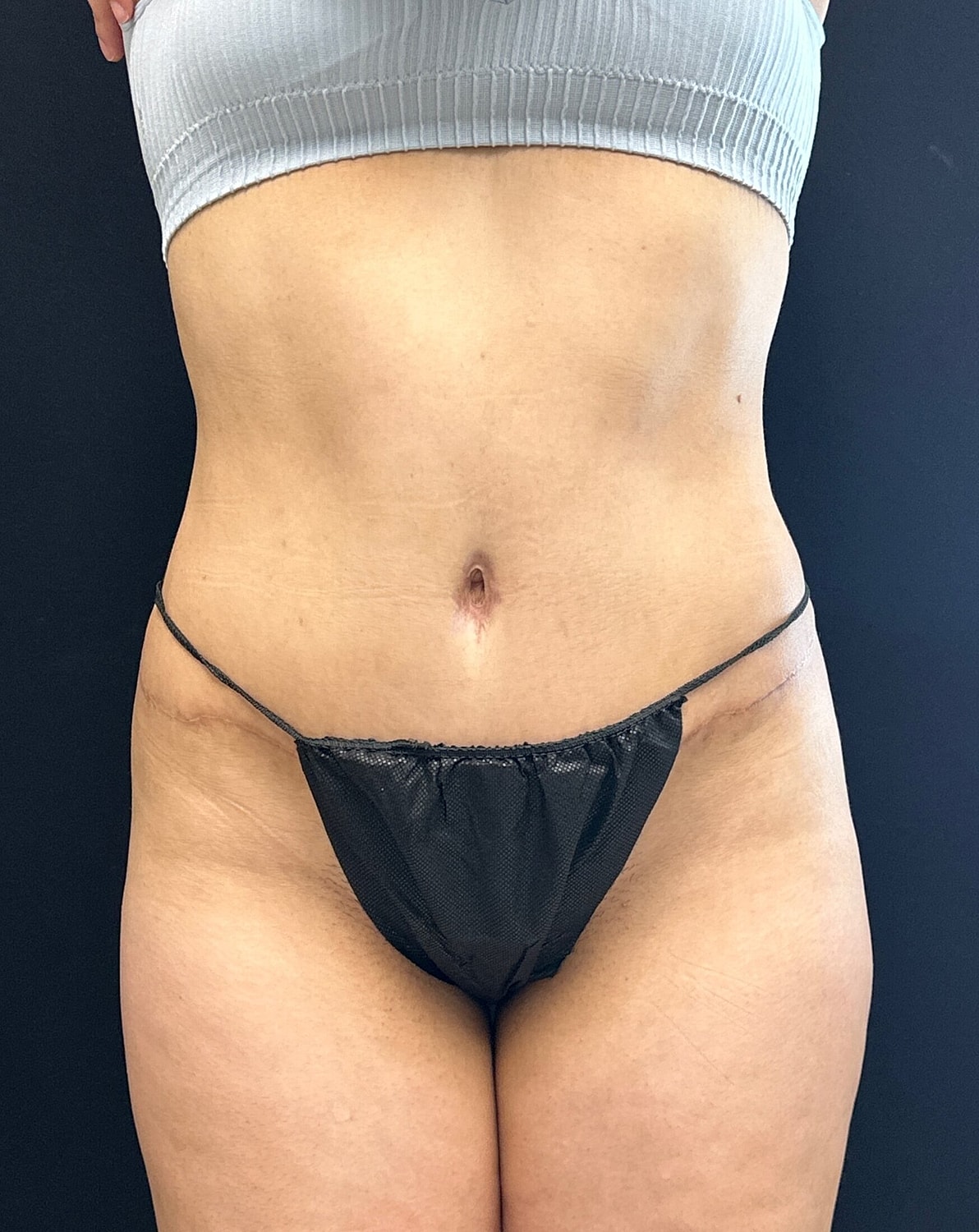
Mini Tummy Tuck
in Webster, TX
Also serving patients in Friendswood, League City, Pearland, and Clear Lake


Also serving patients in Friendswood, League City, Pearland, and Clear Lake
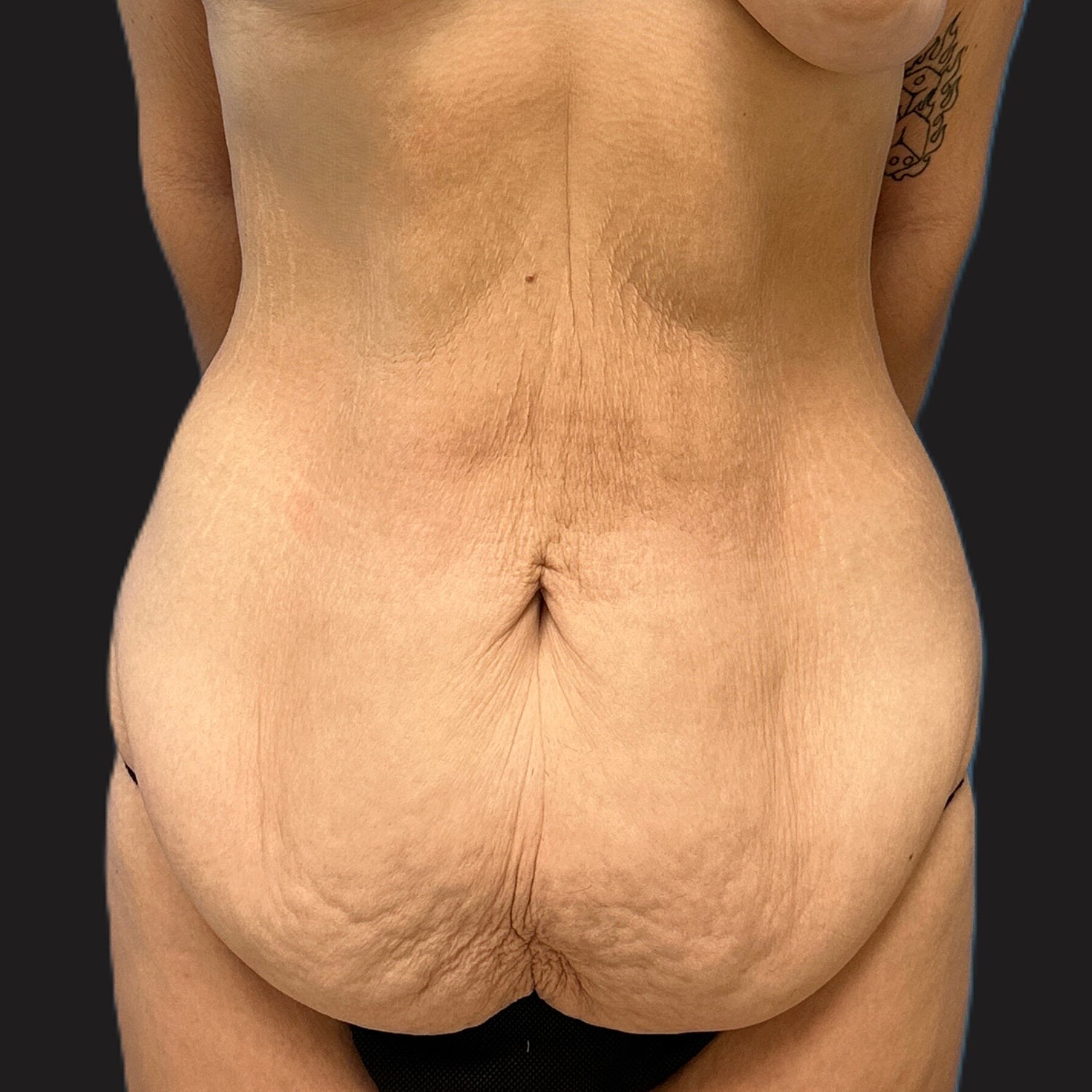
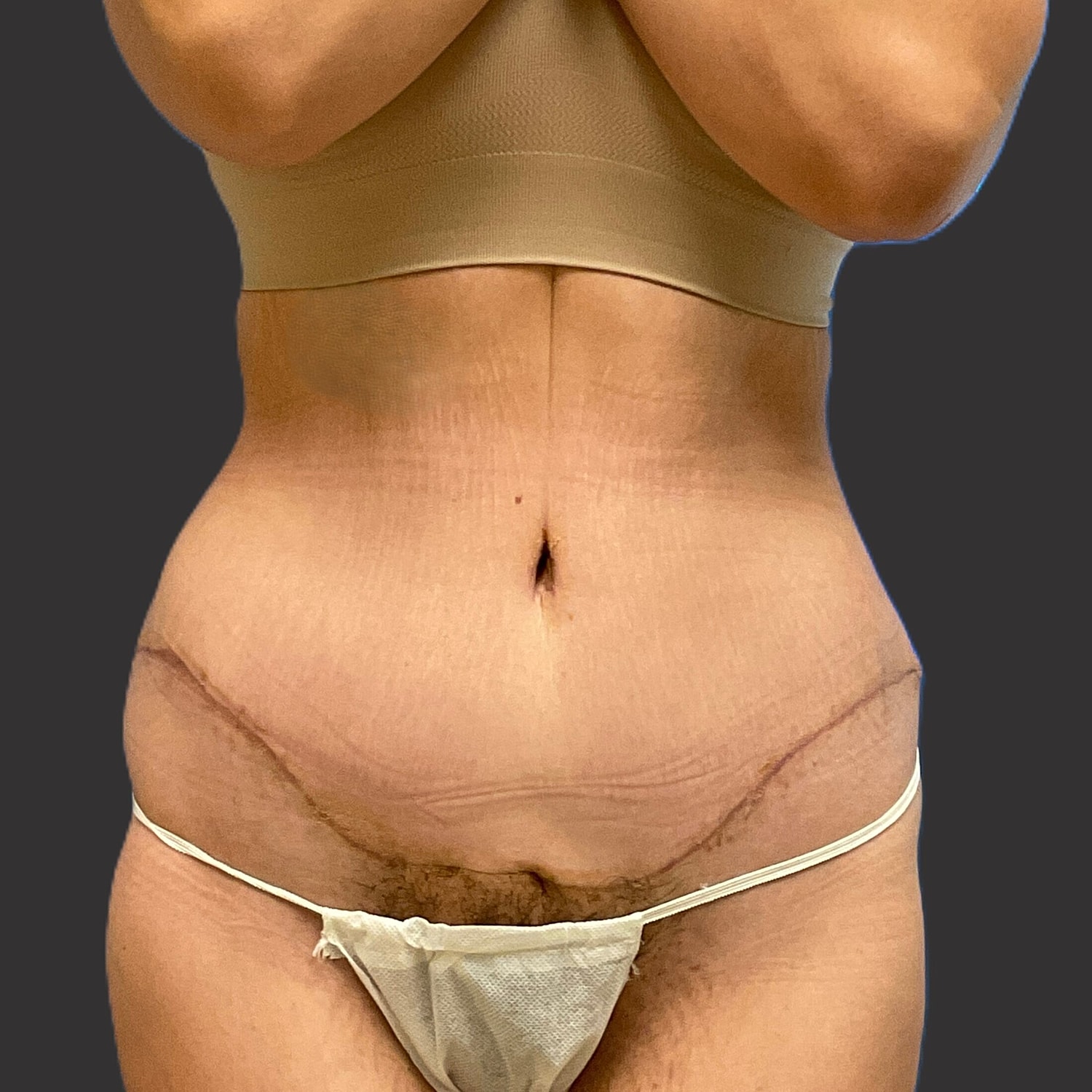
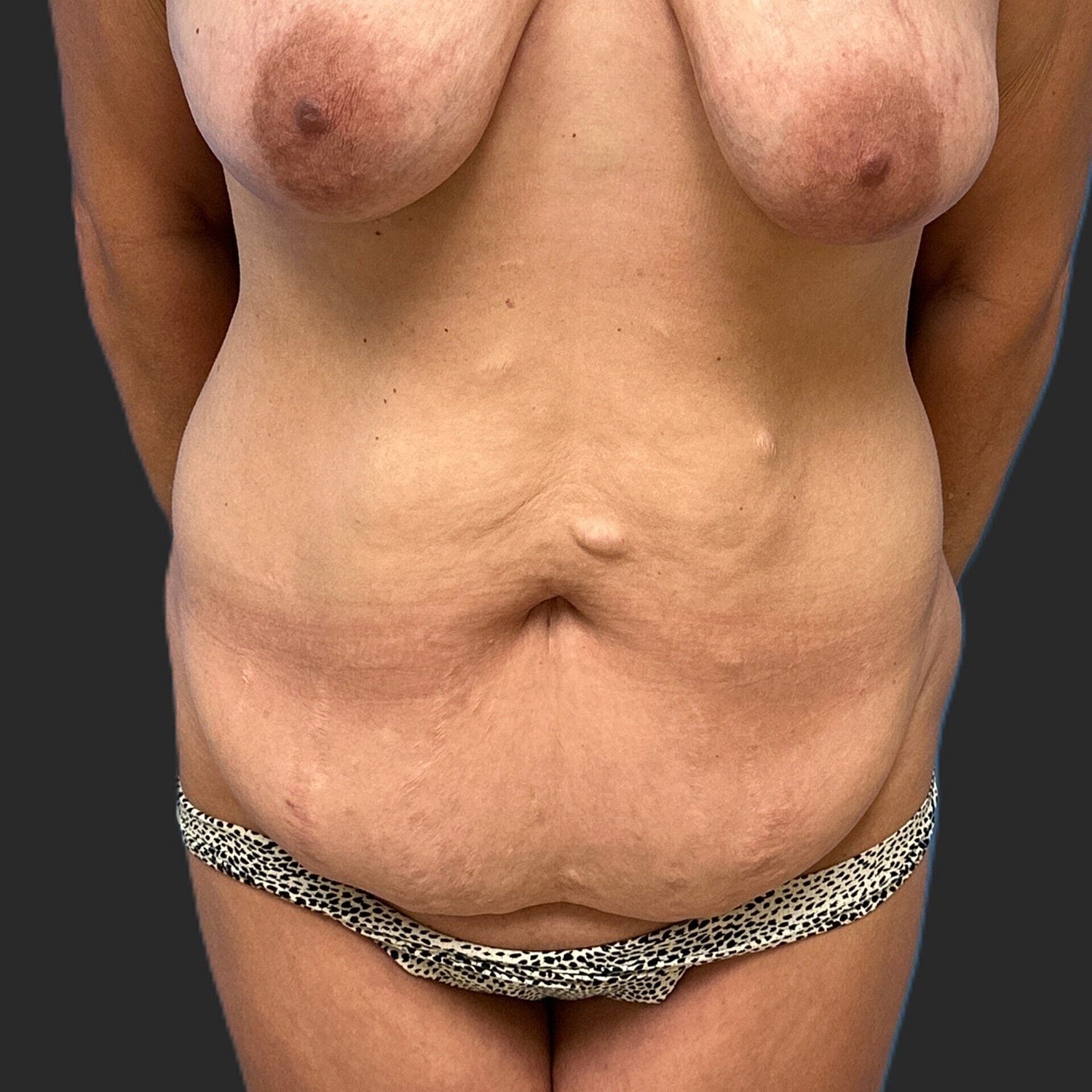
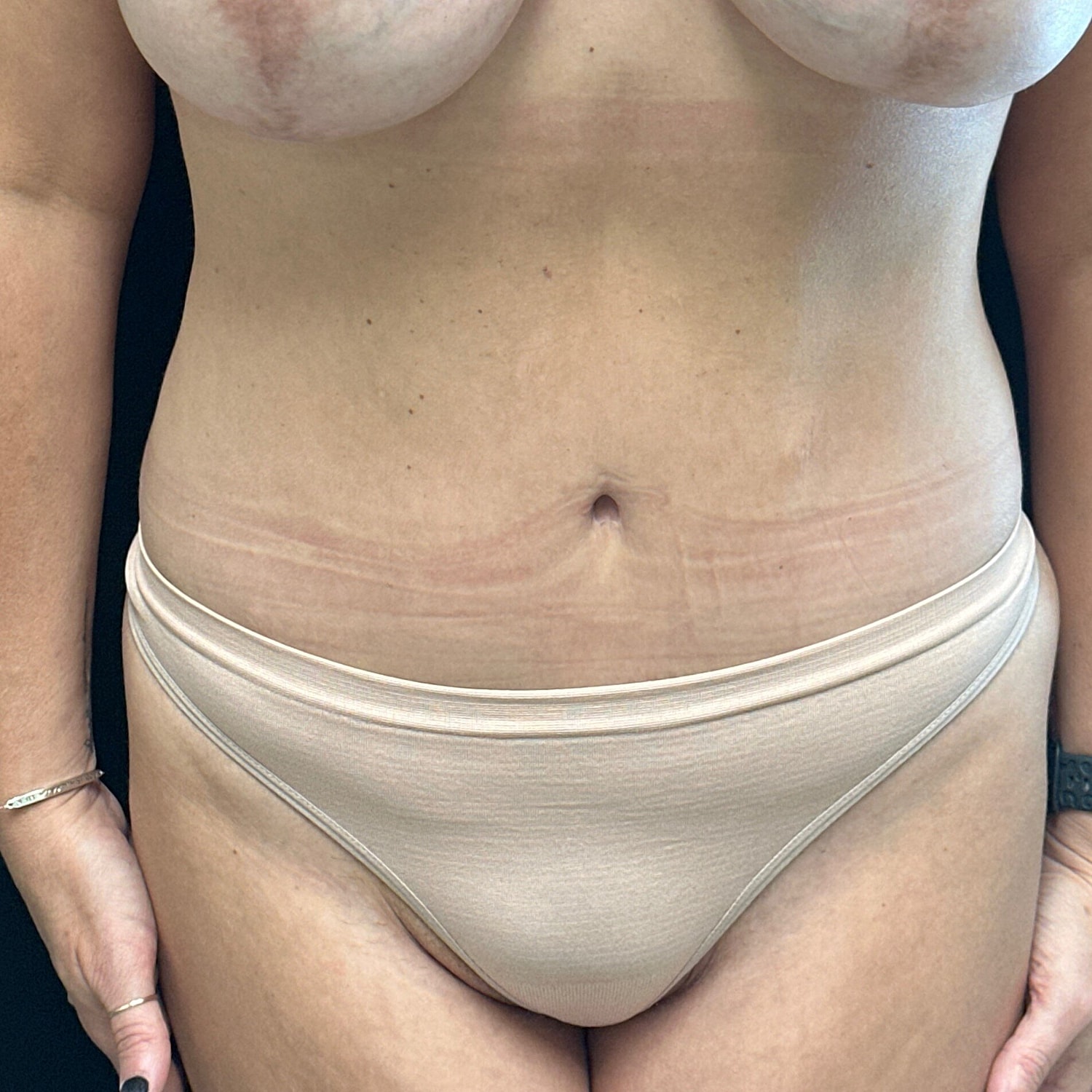
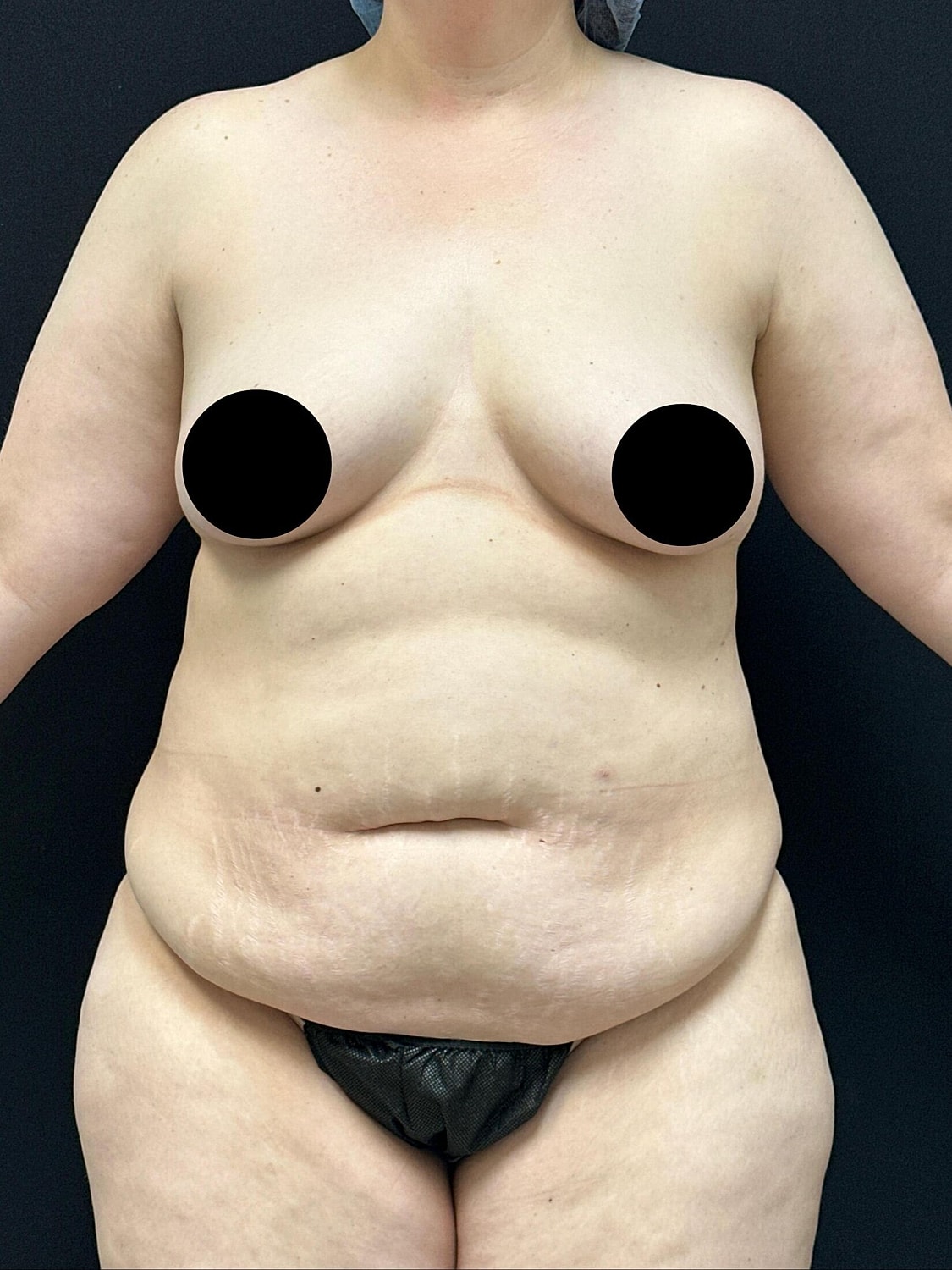
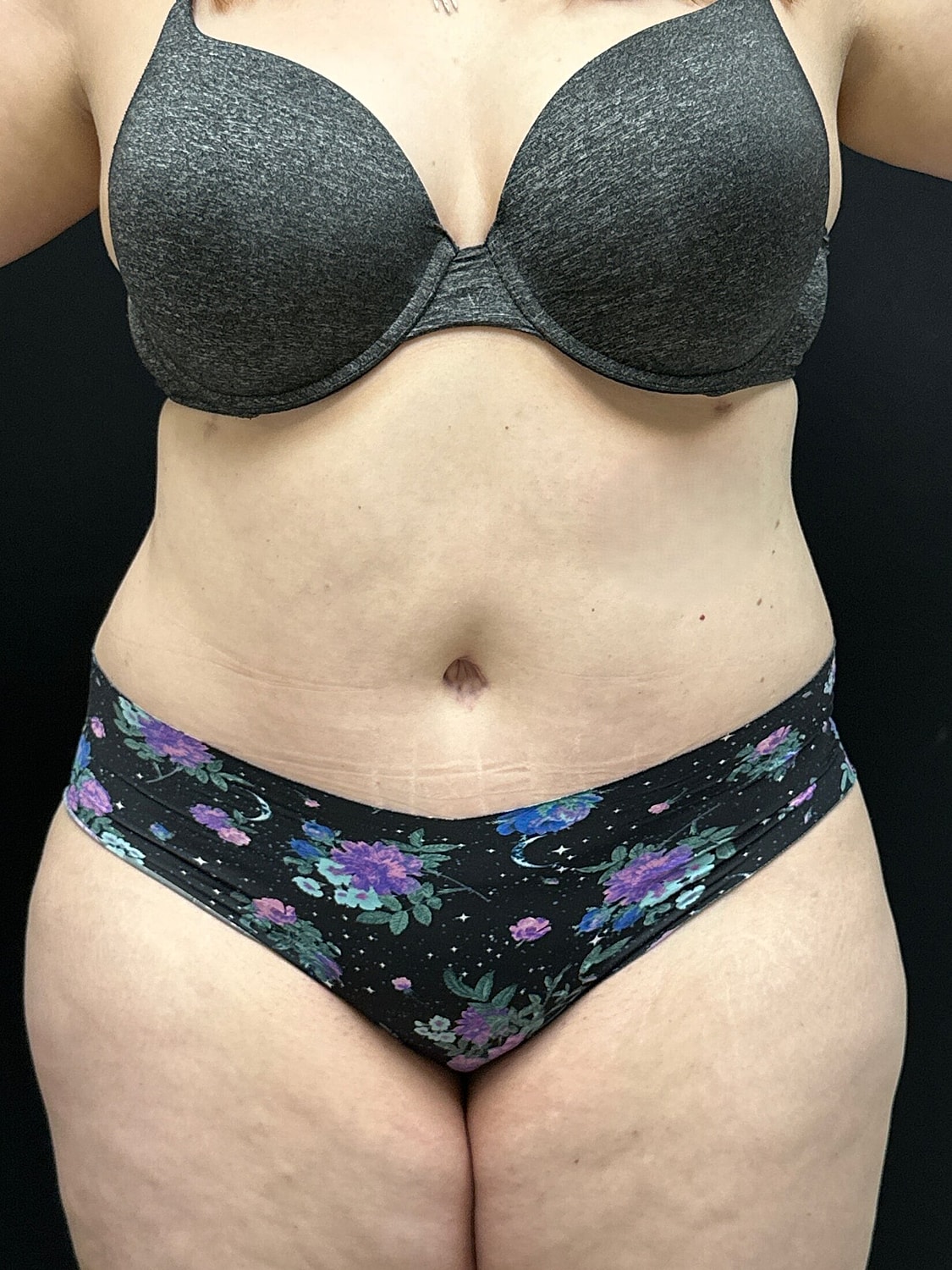
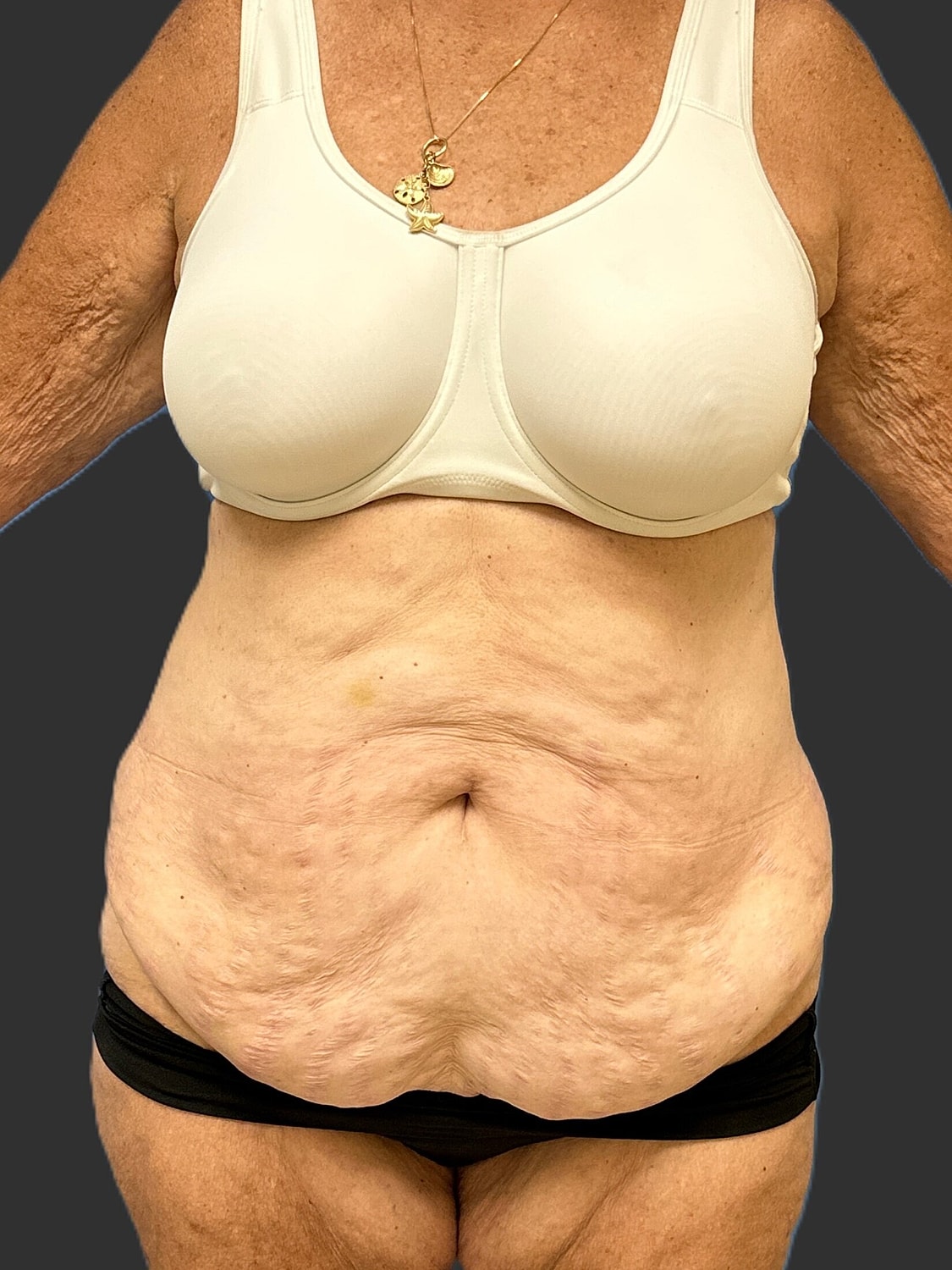
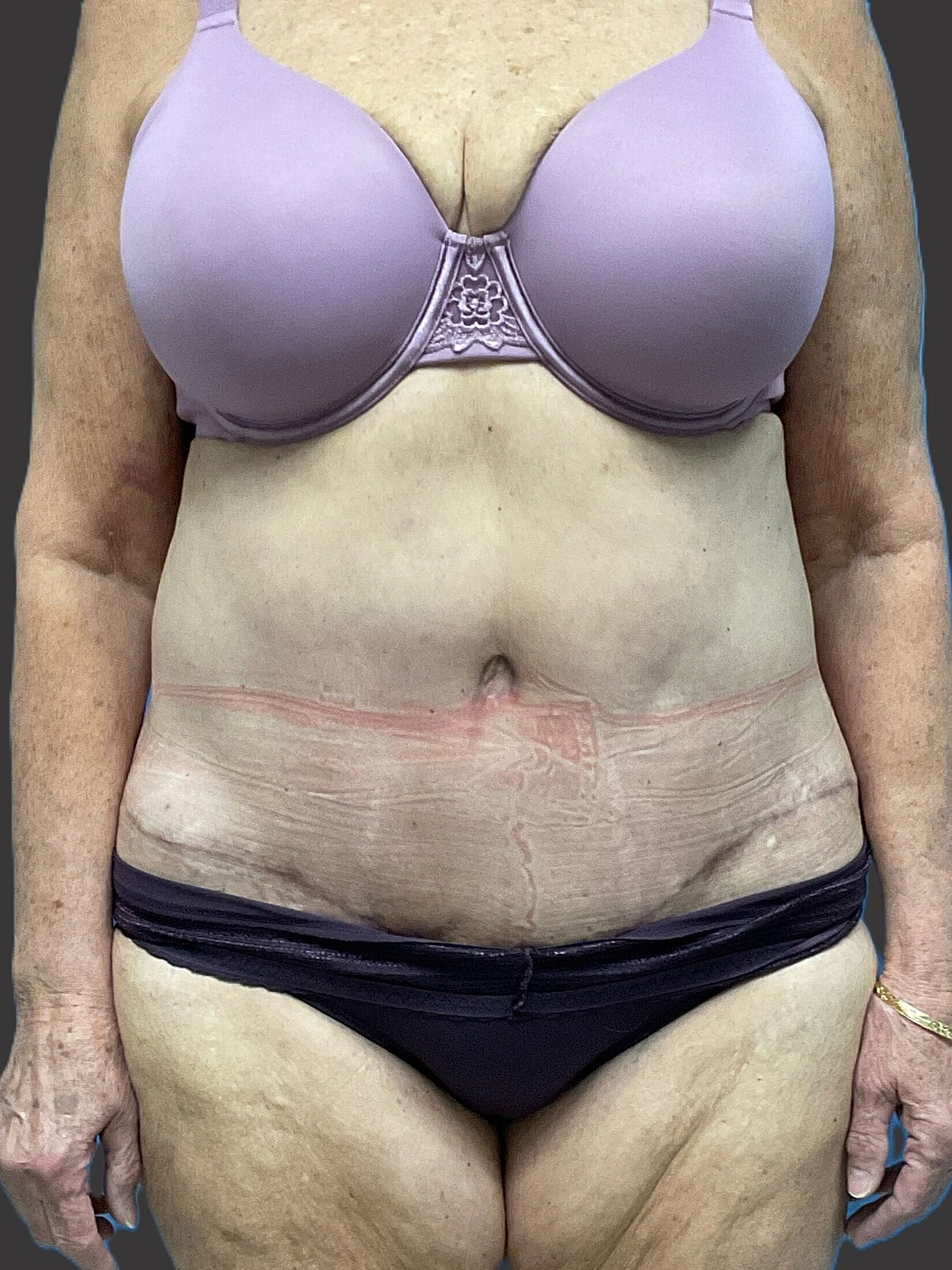
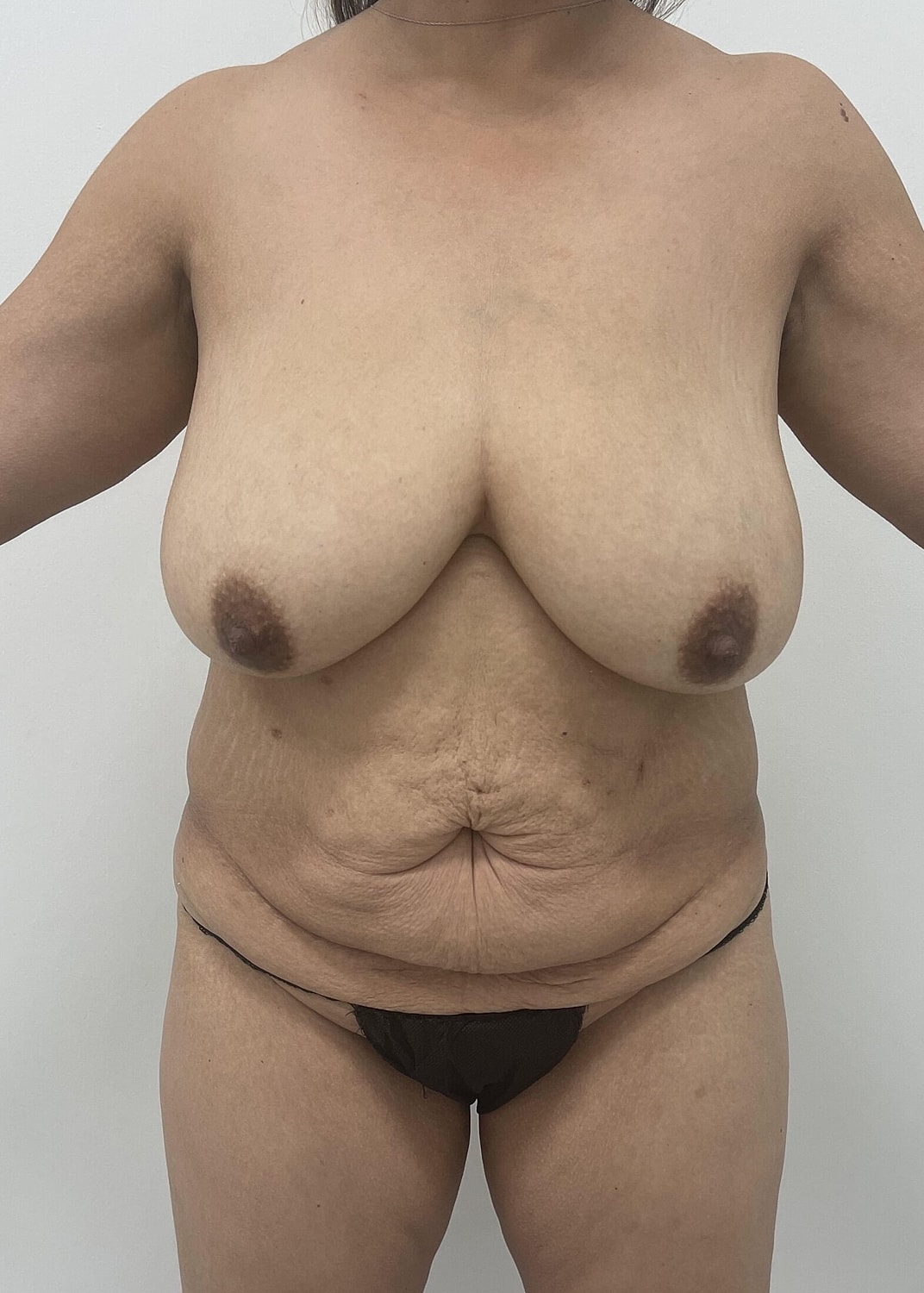
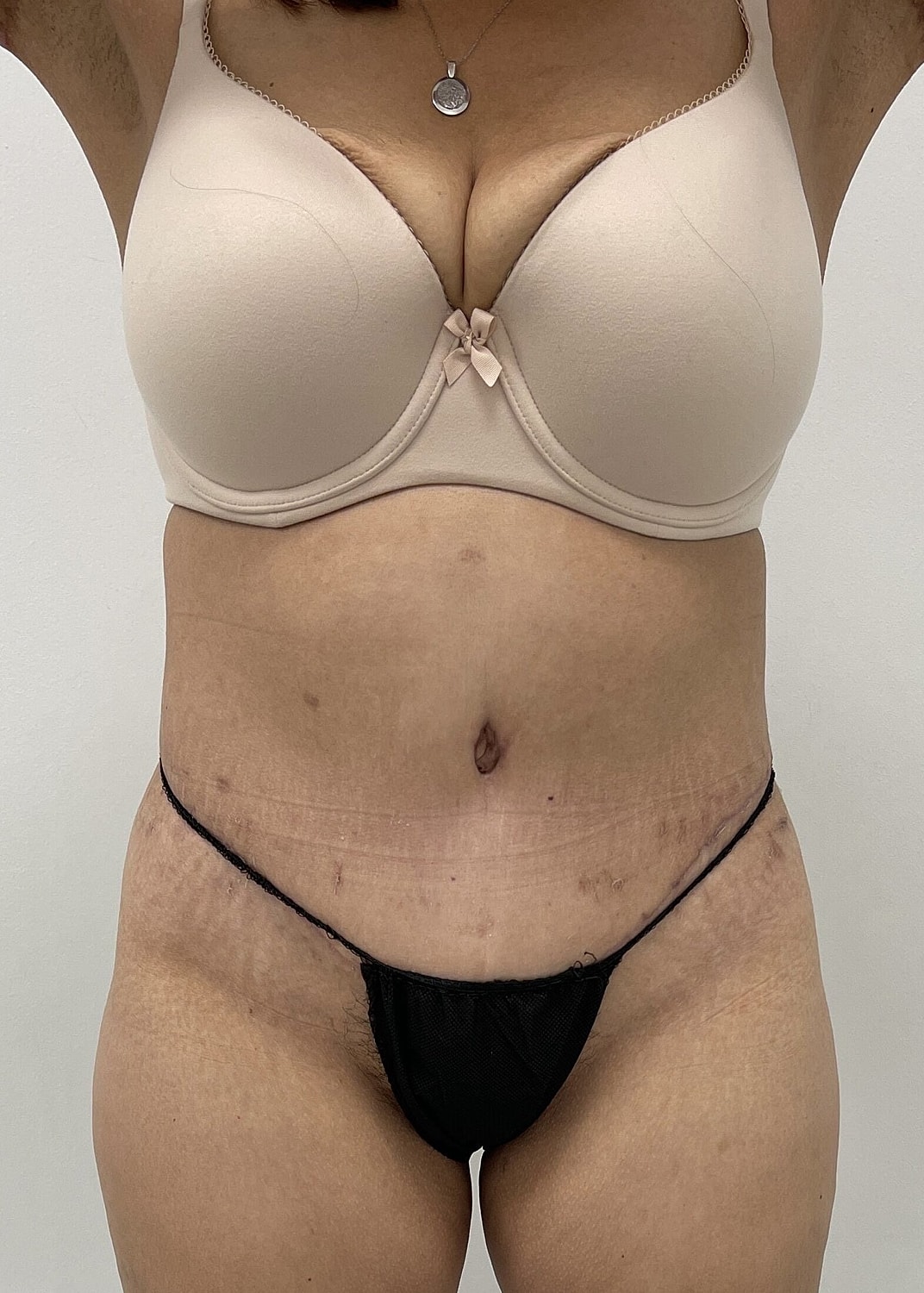
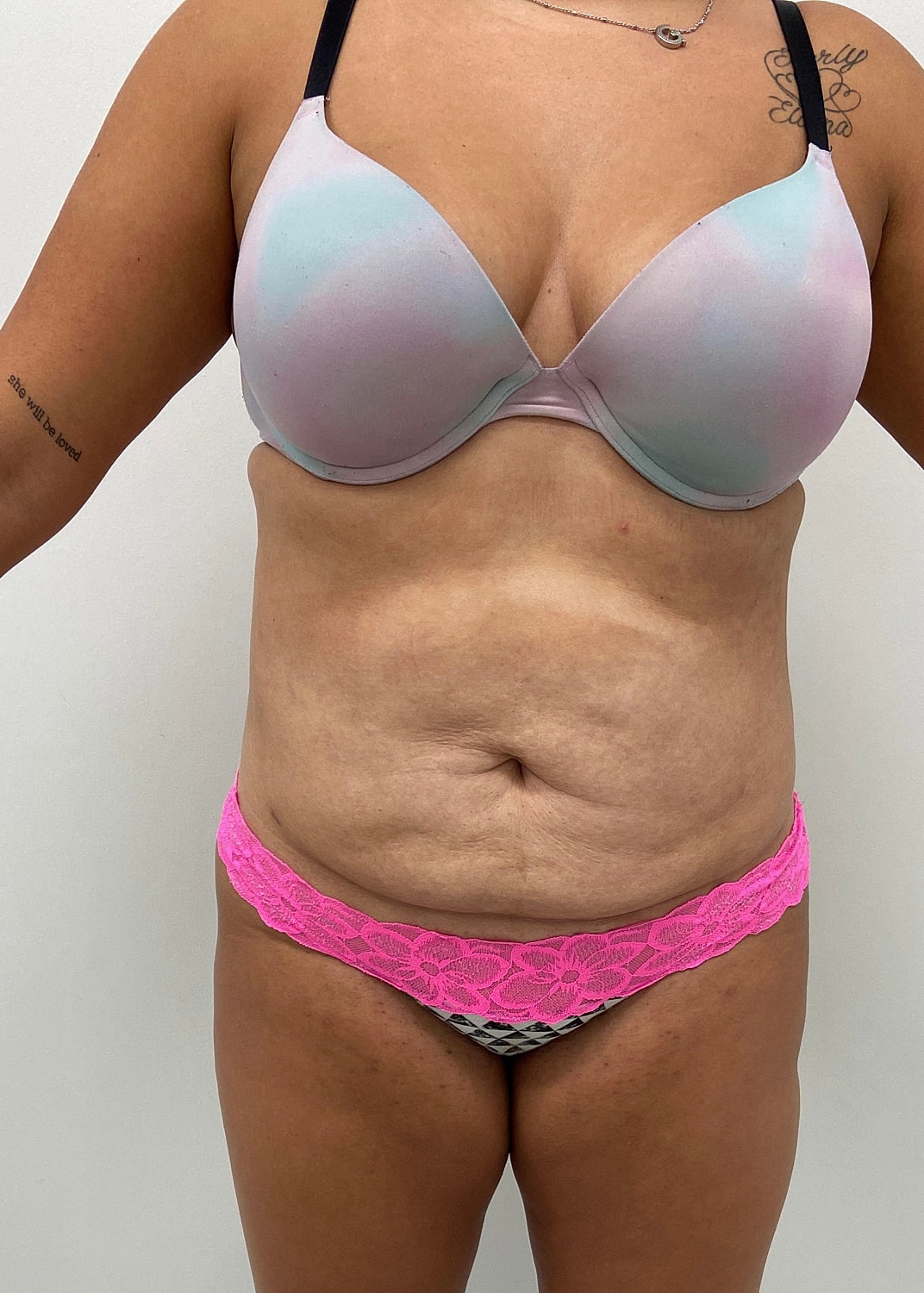
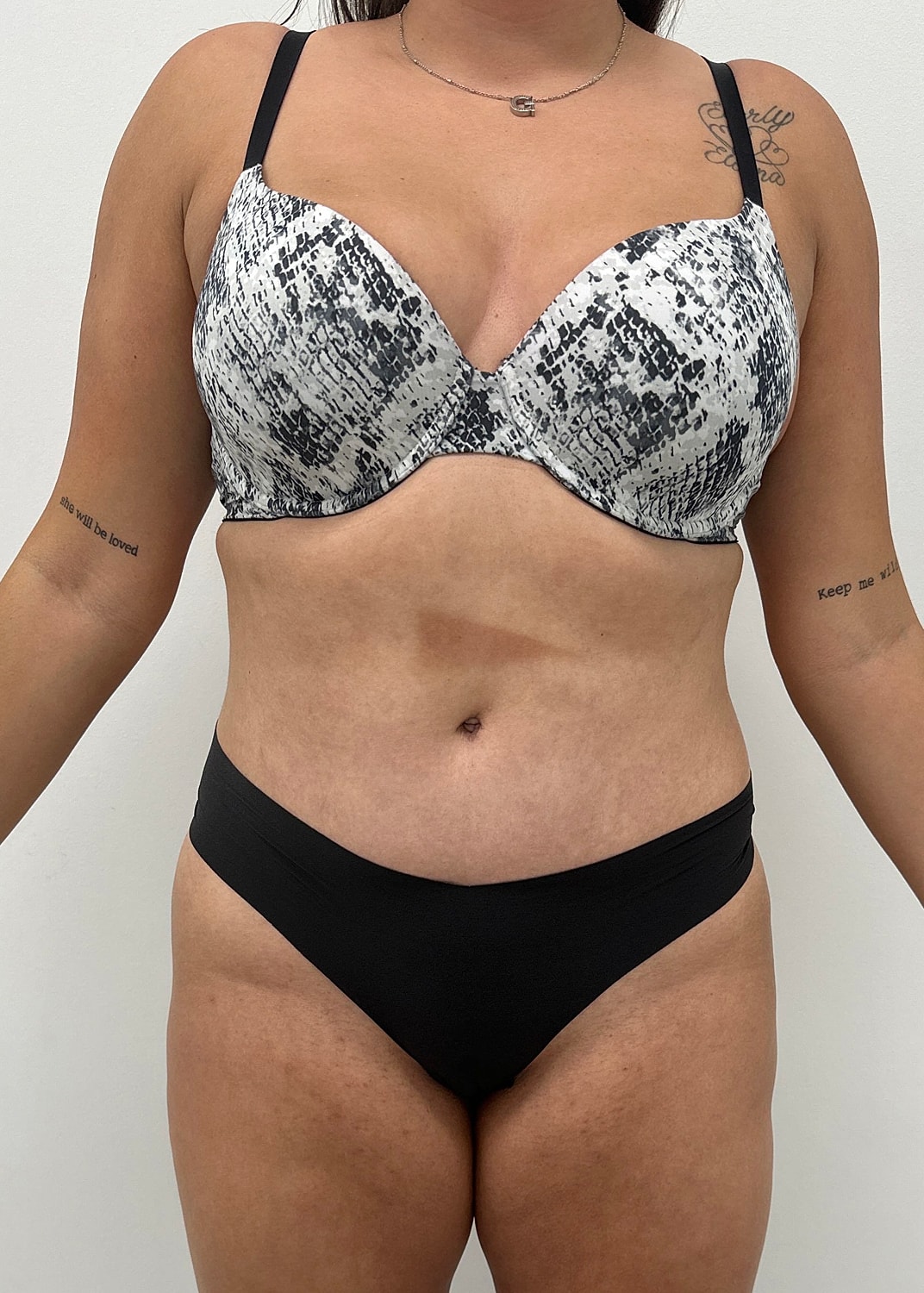
A mini tummy tuck can be a good option for patients who are bothered by loose skin, mild fullness, or a persistent lower-belly pouch below the belly button. Some patients are already at or near their goal weight, maintain a healthy lifestyle, and exercise regularly, but still notice changes in the lower abdomen that do not improve with diet and exercise. In these cases, a full tummy tuck may be more treatment than they actually need.
Dr. Kim Carpin is a board-certified plastic surgeon with a focused breast and body practice. Our Webster, TX mini tummy tuck is not simply a smaller version of a traditional tummy tuck. It’s a different operation designed for a different degree of skin laxity, muscle looseness, and excess tissue. The key is determining which procedure best fits the patient’s anatomy and overall goals.
1 of 20
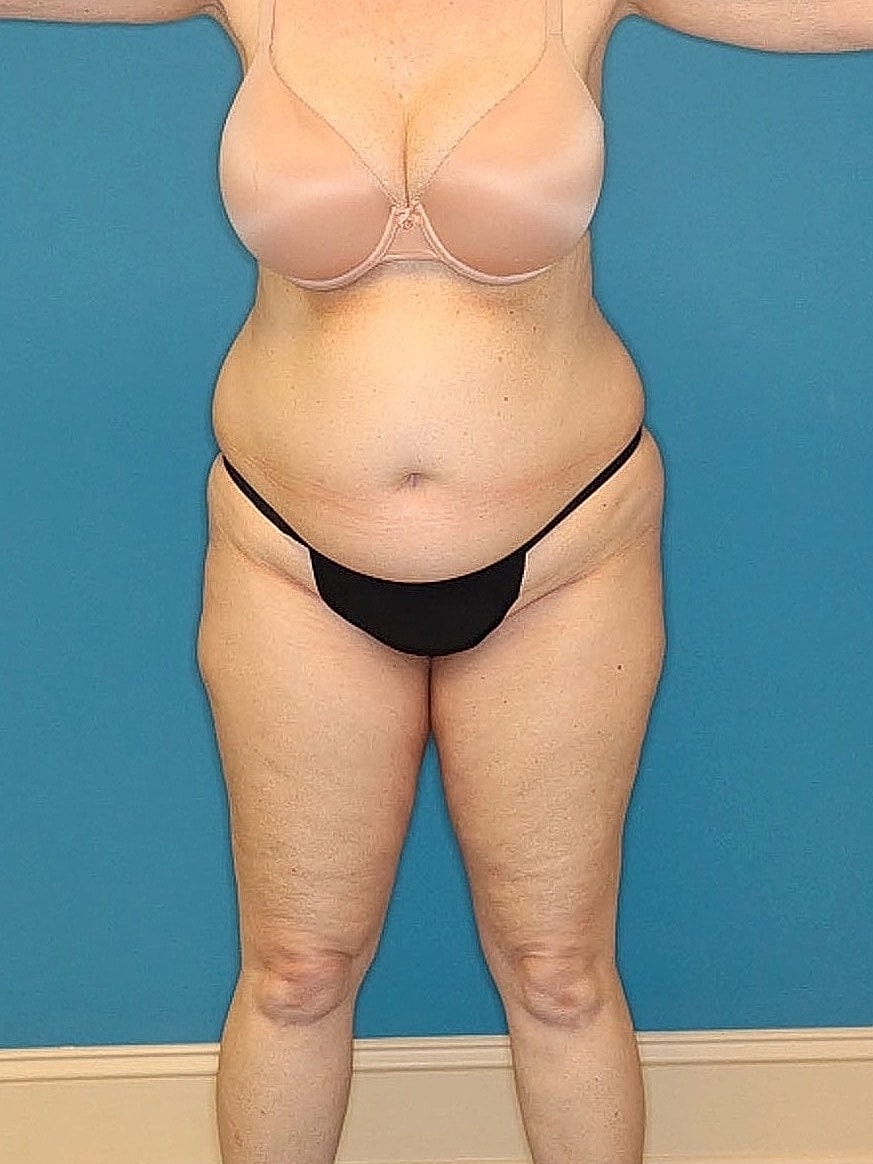
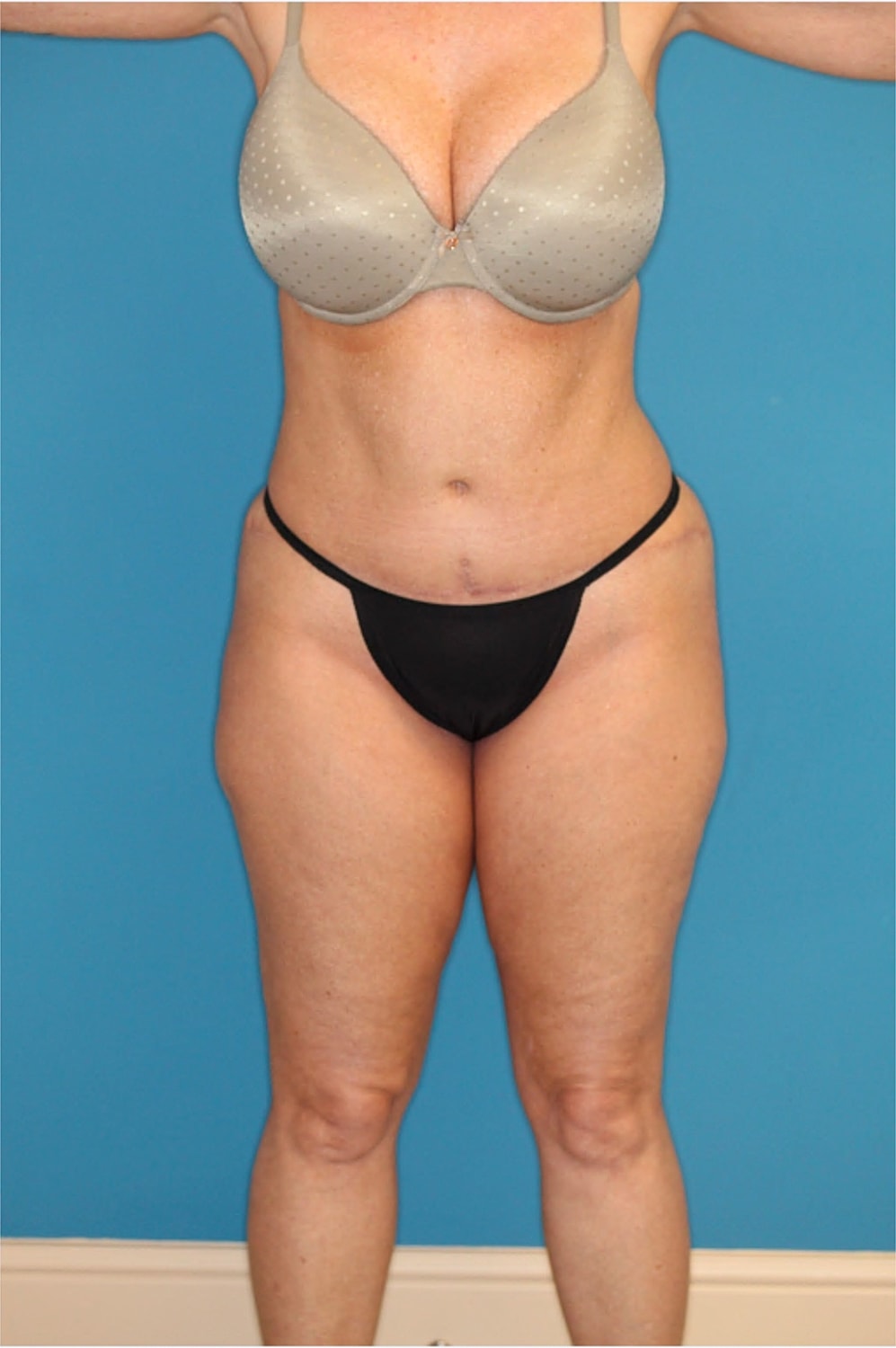
A mini tummy tuck is a surgical procedure designed to improve the lower abdomen by removing loose skin, addressing mild laxity below the navel, and improving contour through a smaller incision. It is less extensive than a full tummy tuck and typically does not require repositioning the belly button.
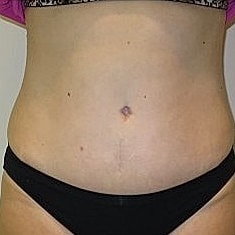
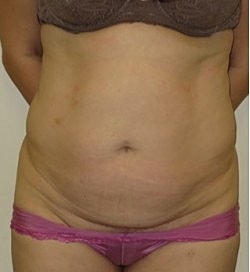
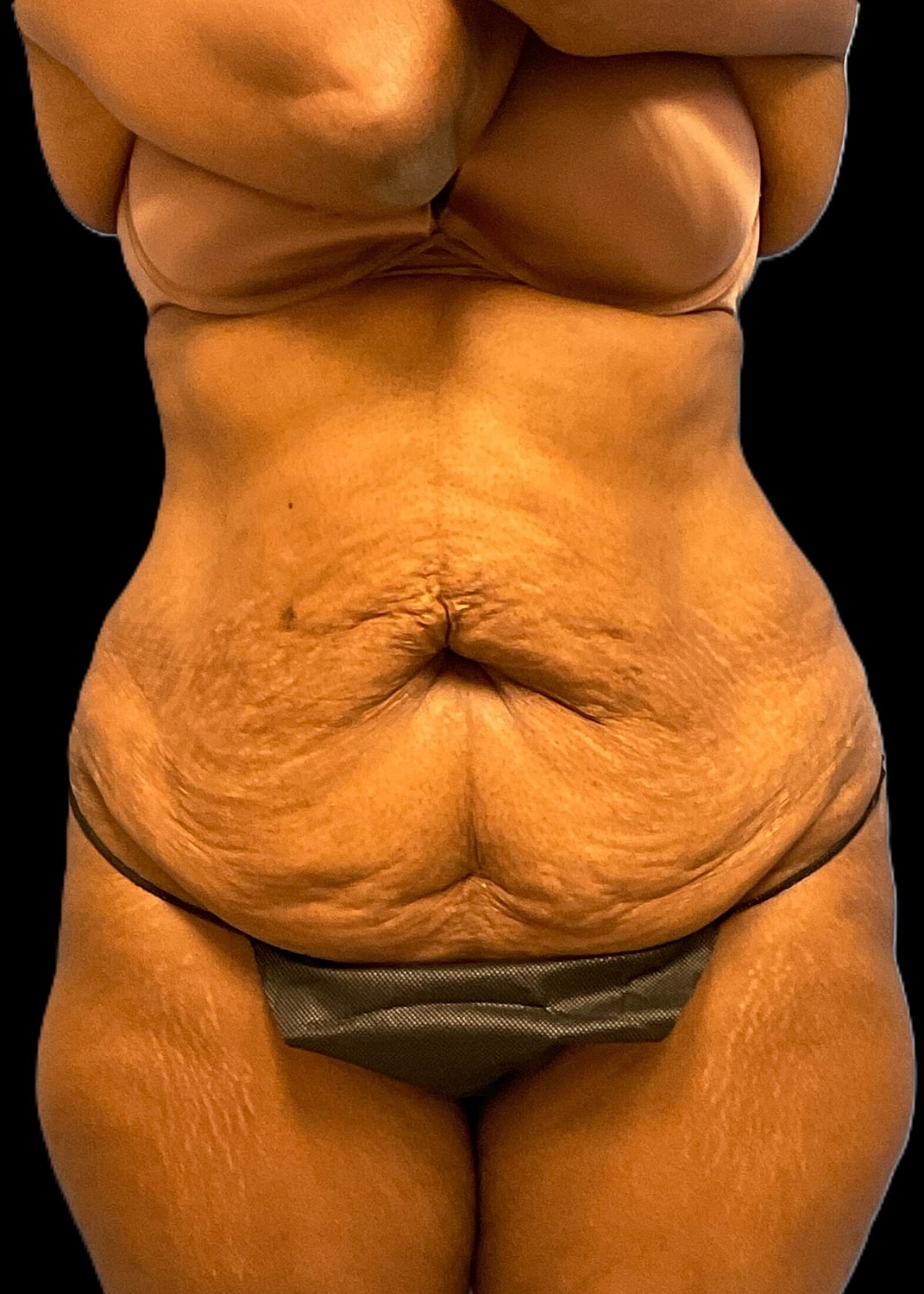
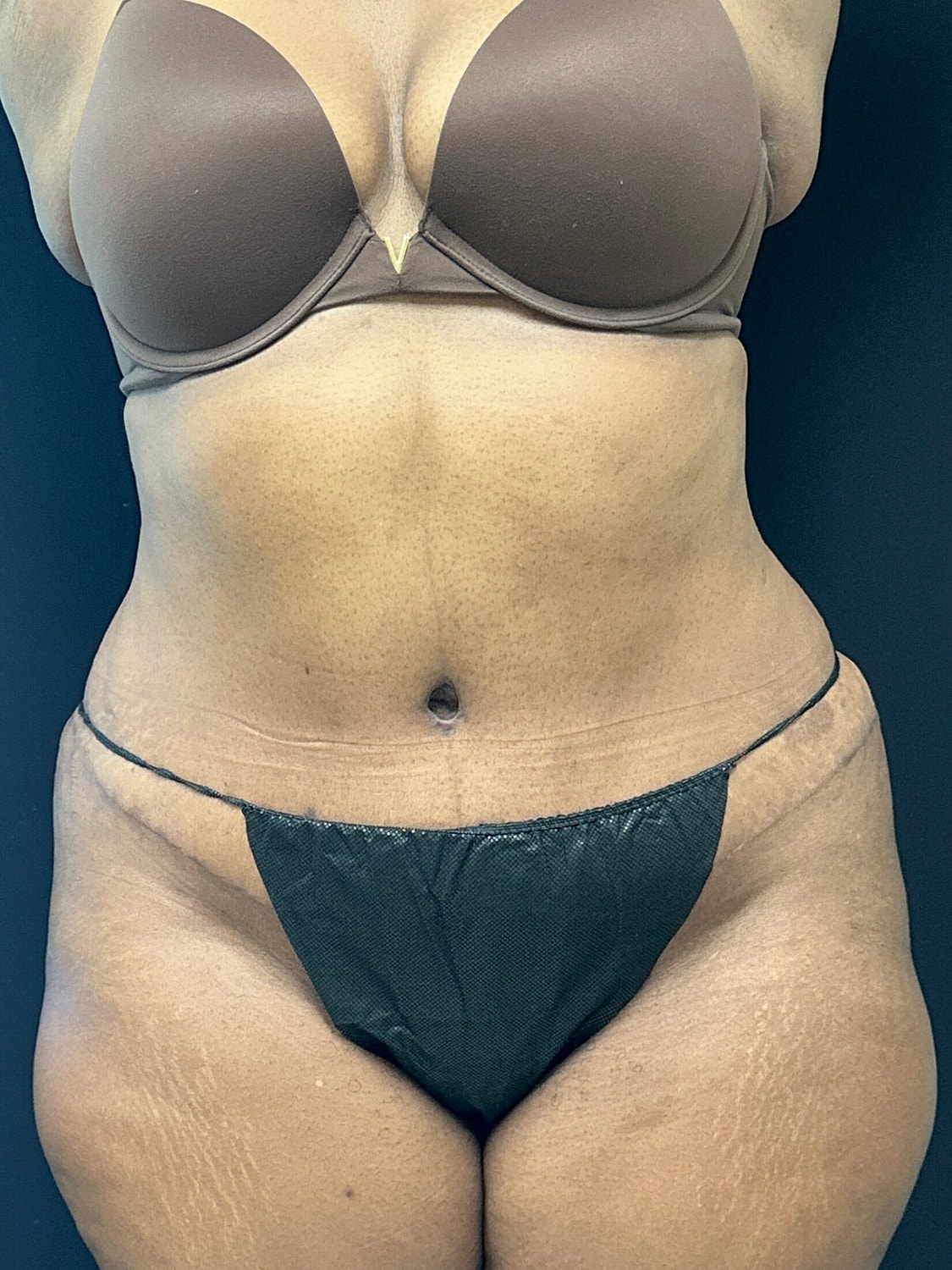
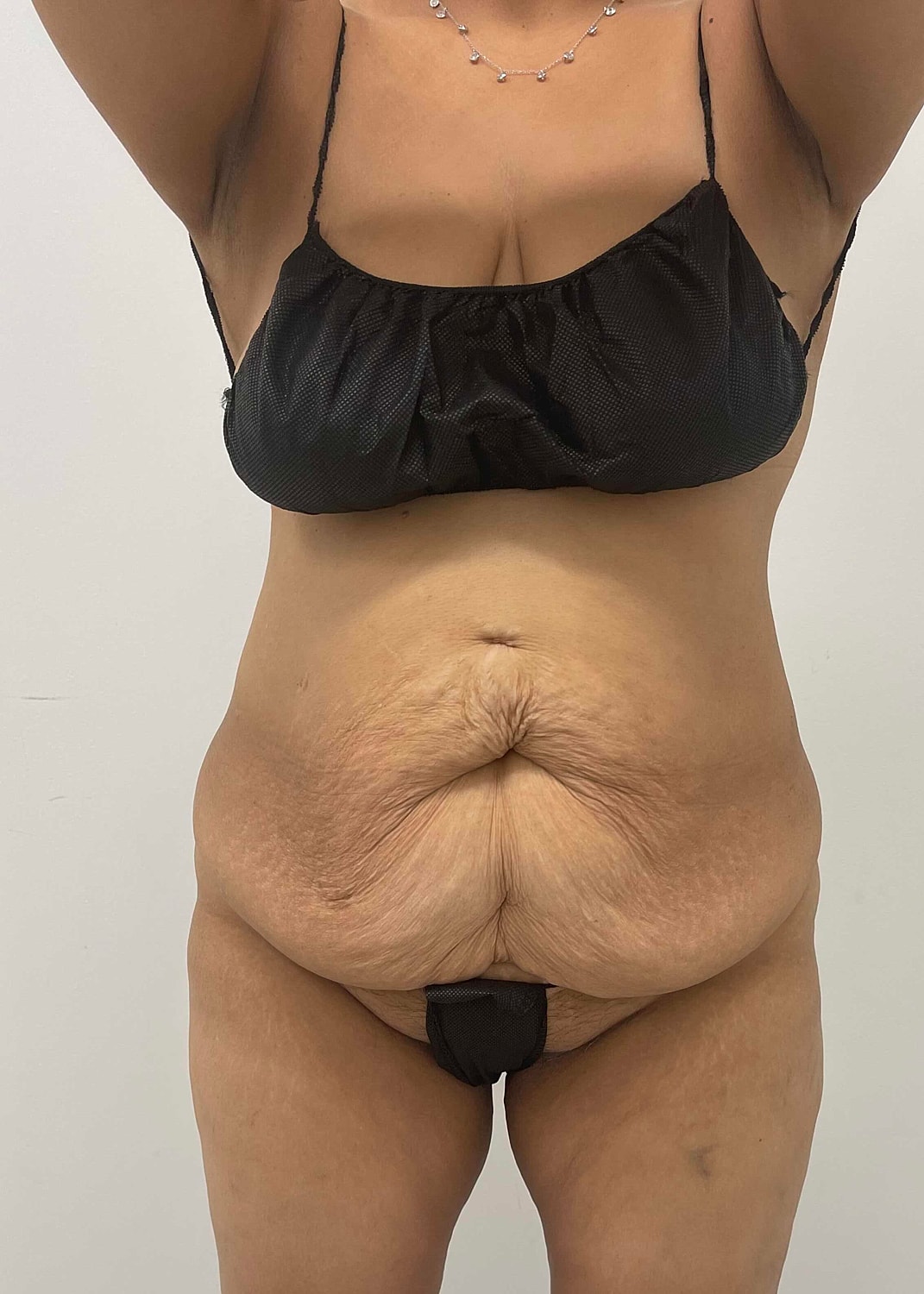
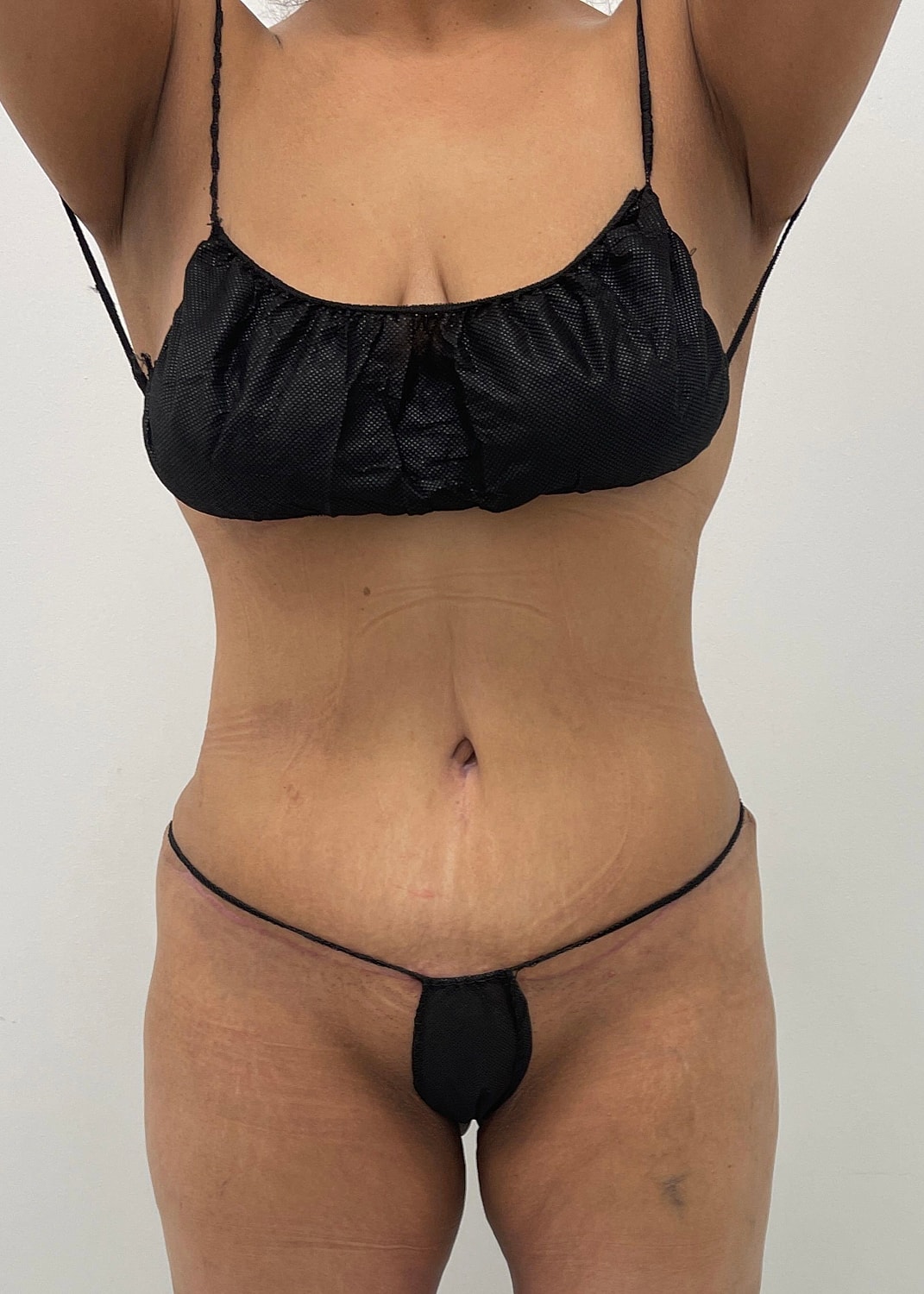
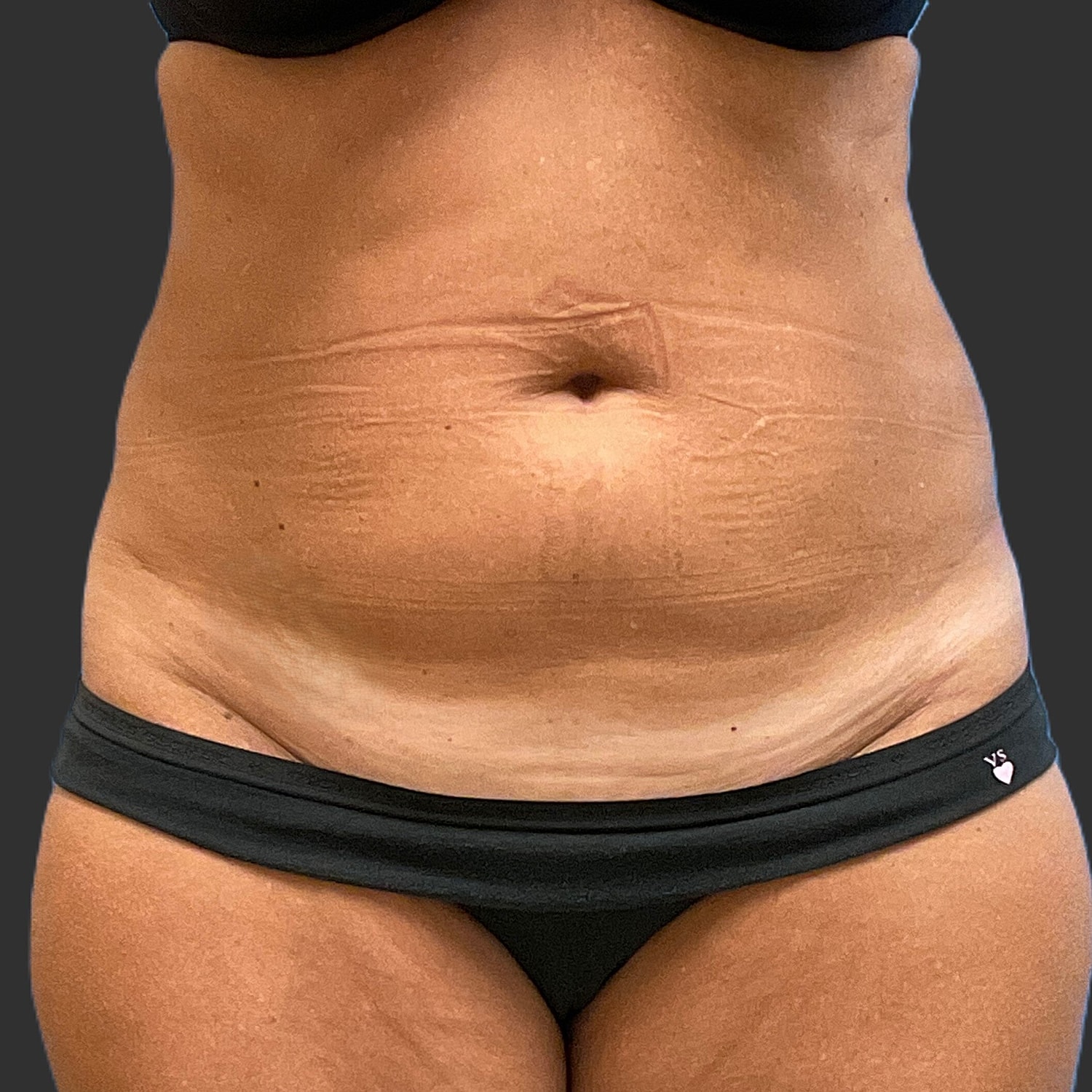
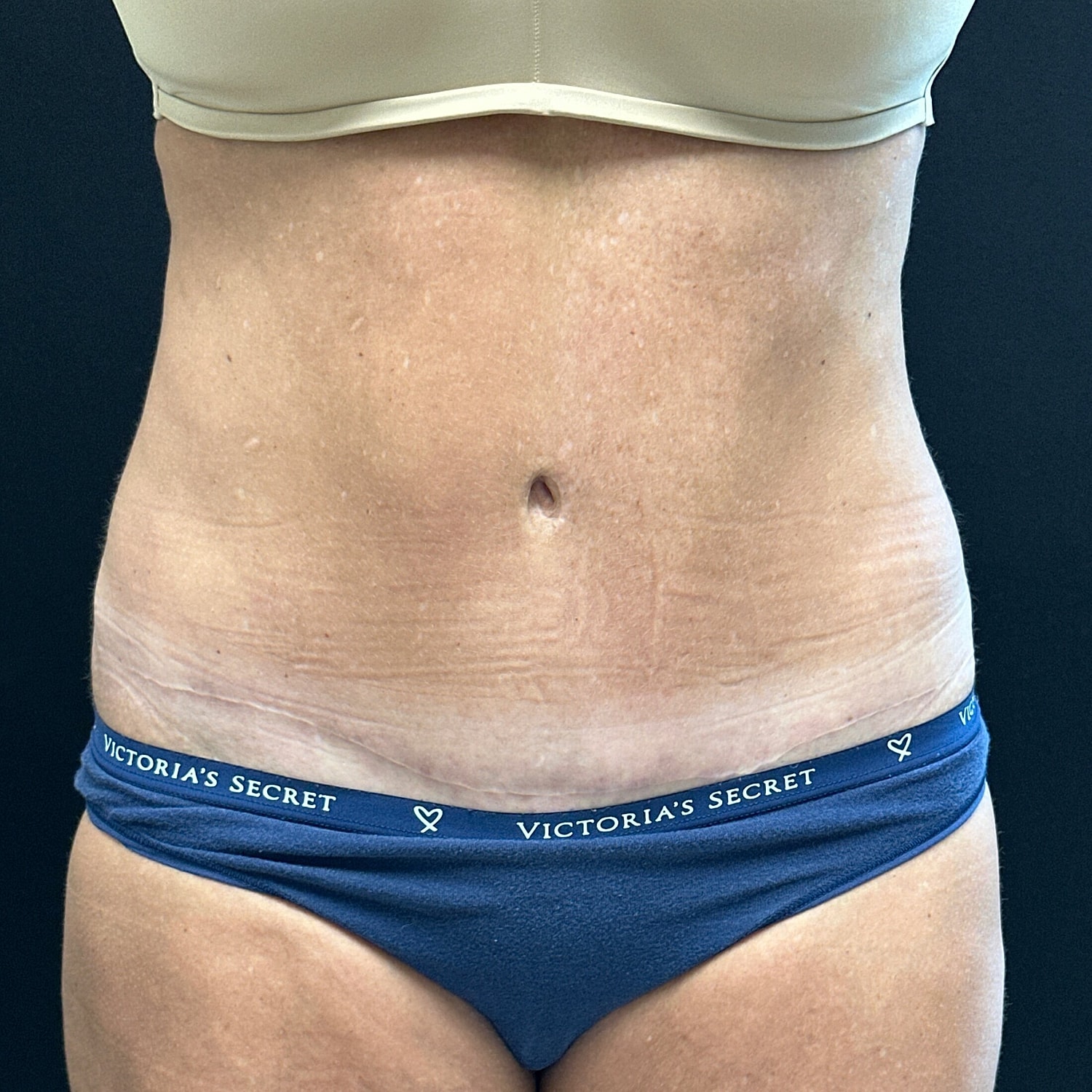
A mini tummy tuck in Webster, TX focuses on the area between the belly button and pubic area. Also called a mini abdominoplasty, it is best suited for patients with mild excess abdominal skin, limited lower-abdominal fullness, and a smaller degree of looseness in the lower abdominal muscles. Unlike a full abdominoplasty, it does not address the entire abdomen. Instead, it offers a more focused form of body contouring for patients with concerns isolated to the lower abdomen.
Mild loose skin and fullness in the lower abdomen
Surgical lower-abdominal contouring
Many patients return to desk work within 1 to 2 weeks
Mild to moderate soreness, tightness, and swelling during early healing
Typically shorter than a traditional full tummy tuck surgery
Early contour improvement is often visible immediately, with swelling improving over time
Long-lasting with stable weight maintenance and healthy lifestyle habits
Mini tummy tuck costs vary based on anesthesia, facility fees, surgical planning, and whether liposuction is combined with the procedure
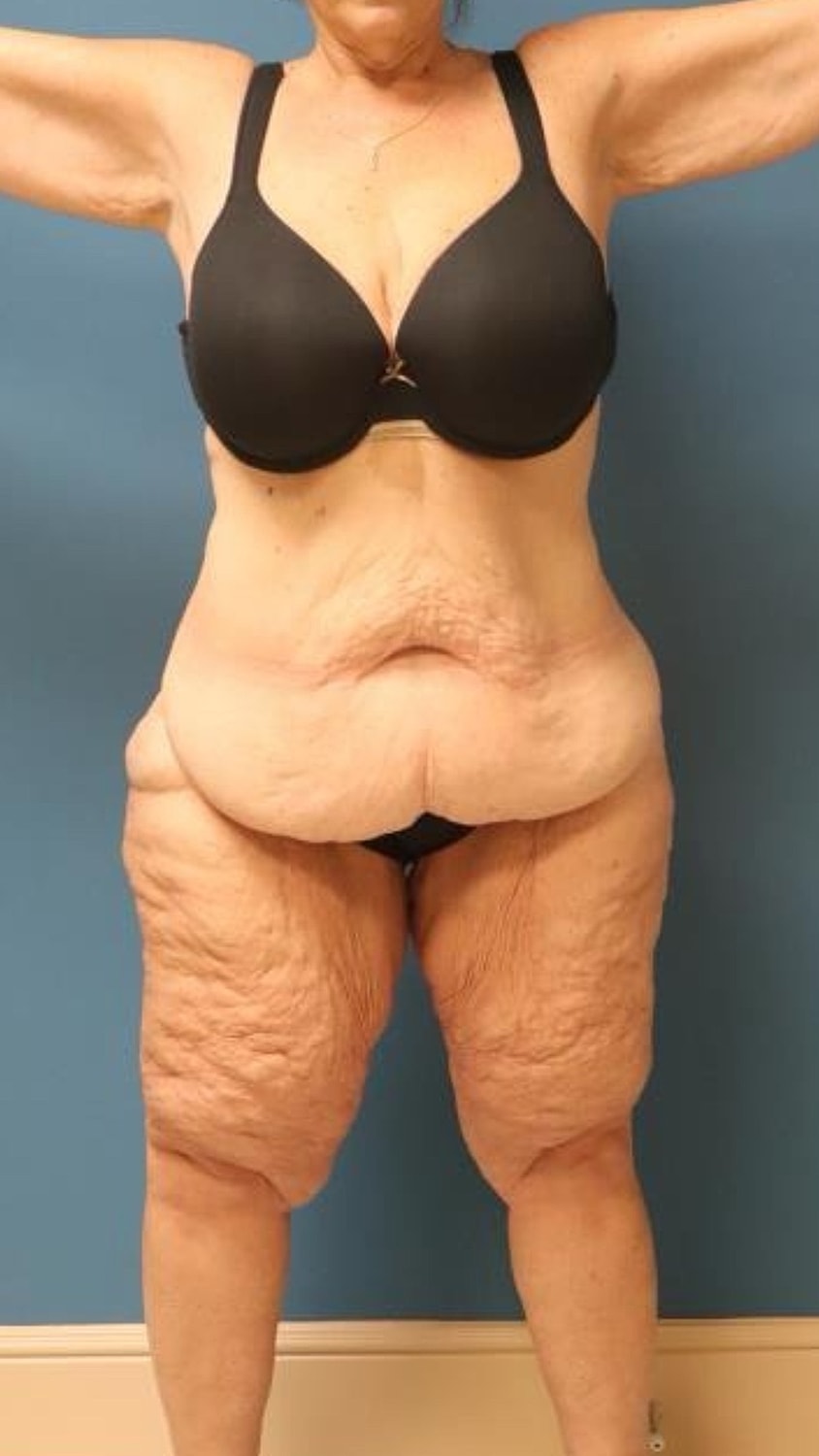
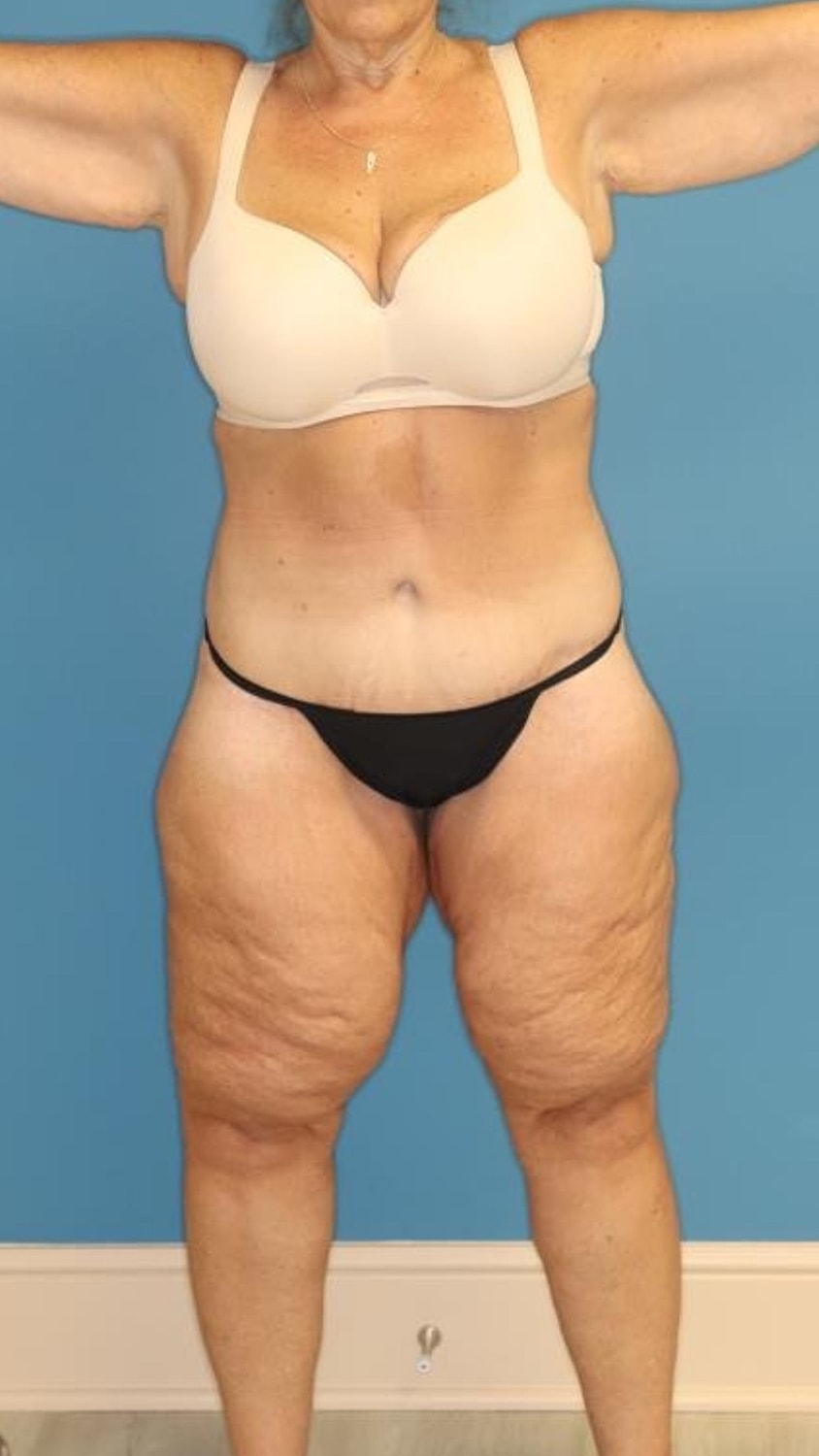
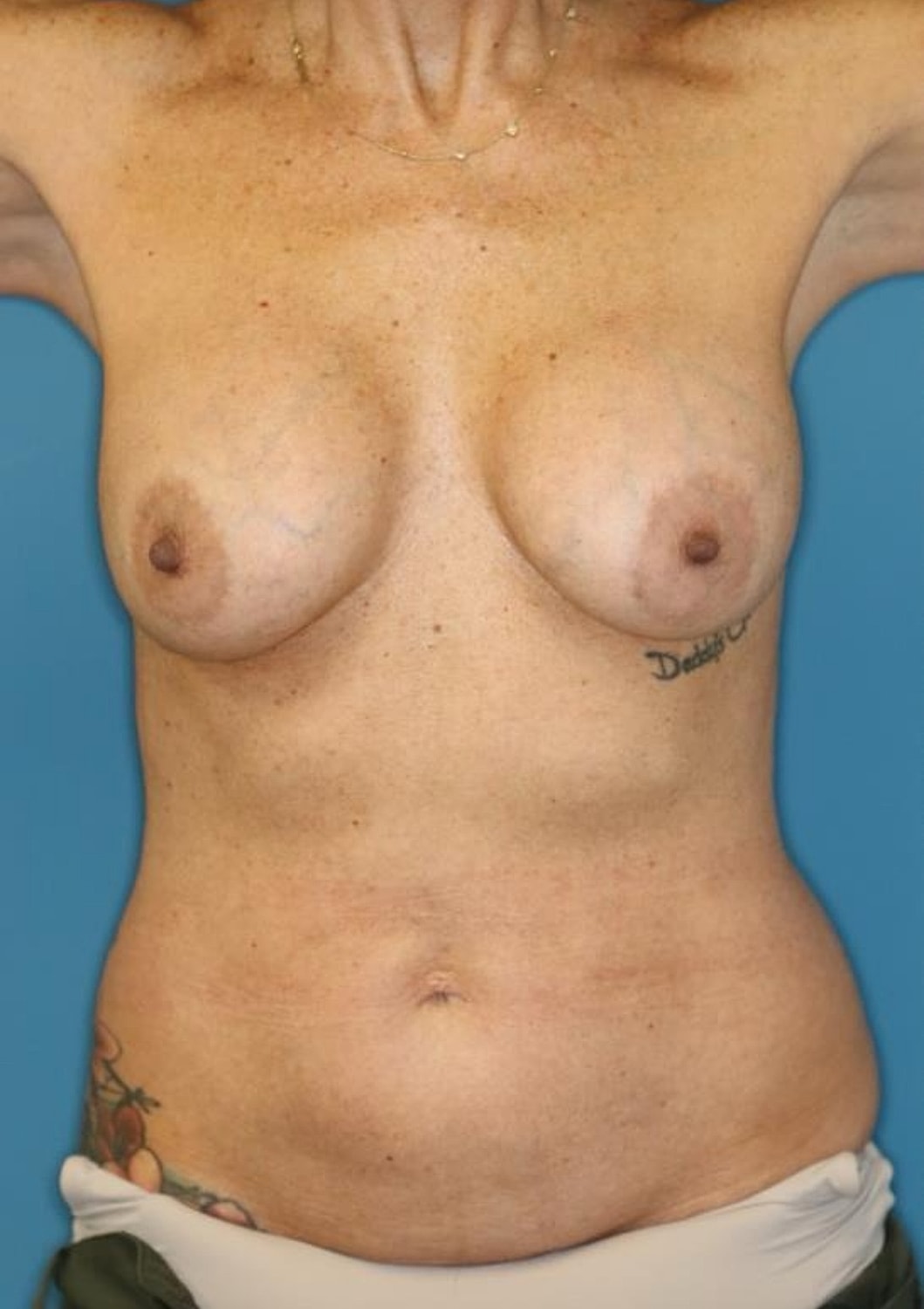
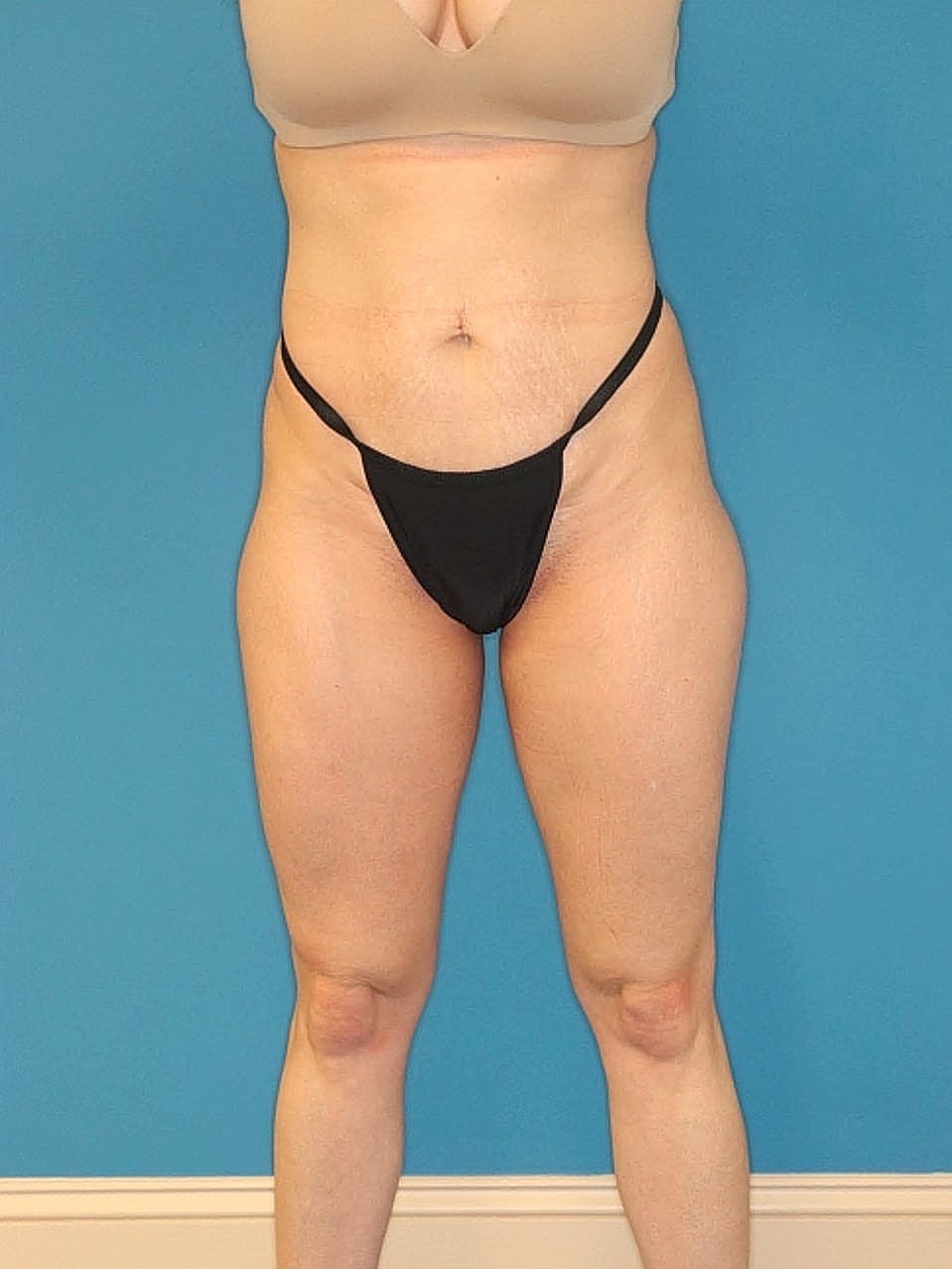
With a mini tummy tuck Webster patients can improve concerns isolated to the lower abdomen rather than the entire midsection. It is best suited for patients with more limited skin laxity, fullness, or contour changes below the belly button.


A mini tummy tuck works best for more limited concerns isolated to the lower abdomen. It is not the right procedure for every degree of skin laxity or muscle separation.
That distinction matters during surgical planning. Some patients are drawn to the idea of a mini tummy tuck because it sounds less extensive, but more significant skin laxity, abdominal wall separation, or changes throughout the midsection may require a more comprehensive repair to create the best overall result.
For the right patient, our Webster, TX mini tummy tuck can improve lower-abdominal contour without the extent of a full abdominoplasty. The procedure is designed for patients with more limited concerns who still want meaningful improvement in the lower abdomen.
A good candidate for a mini tummy tuck in Webster, TX is typically close to their goal weight, maintains a stable weight, and is primarily bothered by loose skin or fullness below the belly button. The procedure is best suited for patients with more limited lower-abdominal concerns rather than more extensive skin laxity throughout the abdomen.
Choosing the right procedure is an important part of achieving a balanced, natural-looking result. During consultation, Dr. Carpin carefully evaluates the skin, abdominal wall, and overall anatomy to determine which approach best fits the patient’s goals.

One of the most common questions patients ask is whether they are a better candidate for a mini tummy tuck or a full tummy tuck. The answer depends on where the skin laxity is located, whether the abdominal wall muscles require repair, and how much contouring is needed across the abdomen as a whole.
Procedure | Best For | Area Treated | Belly Button | Incision | Muscle Repair |
|---|---|---|---|---|---|
| Mini Tummy Tuck | Mild lower-abdominal laxity | Below the navel | Usually stays in place | Smaller incision | Limited lower-abdominal tightening if needed |
| Full Tummy Tuck | More extensive skin and muscle laxity | Upper and lower abdomen | Usually repositioned | Longer incision plus belly button scar | More complete abdominal muscle repair |

Preparation before surgery plays an important role in both recovery and overall results. During consultation, Dr. Carpin reviews your medical history, prior abdominal procedures, current medications, and treatment goals to determine whether a mini tummy tuck is the right approach.
Before surgery, patients are typically advised to:
Careful preparation helps support a smoother recovery process and allows patients to focus on healing during the first few weeks after surgery.


A mini tummy tuck is designed to improve contour in the lower abdomen through a smaller incision and a more limited repair than a traditional full tummy tuck. The procedure is typically performed under general anesthesia, though surgical planning is always individualized based on the patient’s anatomy and overall goals.
During surgery:
Although a mini tummy tuck is less extensive than a full abdominoplasty, it still requires careful surgical judgment and precise technique. The goal is not simply to remove excess skin, but to create a smoother, more balanced lower-abdominal contour that fits naturally with the rest of the body.
Recovery after a mini tummy tuck is generally easier than recovery after a full tummy tuck, though healing still takes time. Swelling, tightness, and soreness in the lower abdomen are common during the early recovery period.
Many patients feel ready to return to desk work and lighter daily activities within one week. Some swelling may still be present during that time, though most patients are able to move around more comfortably much sooner than they would after a more extensive tummy tuck procedure.
Early walking is encouraged to support circulation and reduce stiffness during recovery. Heavy lifting, strenuous exercise, and more intense physical activity should be avoided until Dr. Carpin feels it is safe to resume them.
Patients should wear their compression garment as directed, walk regularly during early recovery, take medications as prescribed, and allow the body adequate time to heal before returning to more strenuous activity. Proper healing during the first several weeks is an important part of achieving the best long-term result.

You will usually notice improvement in the lower abdomen fairly early, though swelling can temporarily blur the result during the first stage of healing. Over the following weeks, the contour becomes more defined as swelling improves and the tissues begin to settle.
Final results take longer as healing continues and scars gradually soften. Most swelling resolves in three months. Once recovery is further along, the lower abdomen should appear smoother, flatter, and more refined.
Mini tummy tuck results can be long-lasting when supported by stable weight maintenance and healthy lifestyle habits. Future pregnancy, significant weight gain, and repeated weight fluctuations can stretch the tissues again and affect the overall result.
Patients who are finished with major family planning and close to their long-term maintenance weight are often the best candidates for maintaining results over time.
Scarring is one of the most common questions patients have about a mini tummy tuck. In most cases, the scar is a low horizontal line placed near the bikini line. It is often similar to, or slightly longer than, a C-section scar and is shorter than the scar from a full tummy tuck.
Because a mini tummy tuck focuses on the lower abdomen, there is usually no scar around the belly button. Dr. Carpin carefully plans incision placement to help scars remain as low and discreet as possible.
Sometimes. If stretch marks are located within the skin being removed from the lower abdomen, they may improve or be removed altogether. Stretch marks located higher on the abdomen typically remain. This is an important part of surgical planning and expectation-setting during consultation.
Yes. A mini tummy tuck can often be combined with liposuction when there is both mild loose skin and stubborn fat in the lower abdomen or waist.
Liposuction removes excess fat, while a mini tummy tuck addresses loose skin and improves contour. Some patients benefit from one procedure alone, while others achieve a better result by combining both approaches. The right plan depends on skin quality, tissue laxity, body shape, and overall treatment goals.
A mini tummy tuck may be a smaller operation than a full tummy tuck, but achieving a natural-looking result still requires careful surgical planning and sound judgment. Choosing the right procedure depends on factors like skin laxity, abdominal muscle separation, scar placement, and overall body proportions.
Dr. Kim Carpin is a board-certified plastic surgeon with a focused breast and body practice known for thoughtful, individualized care. She takes a straightforward, honest approach to surgical planning and helps patients understand when a mini tummy tuck is appropriate and when a more comprehensive repair may create a better overall result.
Good outcomes are not about doing the least amount possible. They come from choosing the procedure that best fits the patient’s anatomy and long-term goals.

If you are considering a mini tummy tuck in Webster, TX, schedule a private consultation with Dr. Kim Carpin. She can evaluate the lower abdomen, discuss whether a mini tummy tuck is the right approach, and help determine whether a mini tummy tuck, full tummy tuck, or another body contouring procedure best fits your goals.
Usually, no. In most mini tummy tuck cases, the belly button stays in place because the procedure is limited to the lower abdomen.
Yes. It is a less invasive procedure than a full tummy tuck because it treats a smaller area and usually uses a smaller incision. It is still real surgery, though, and recovery still matters.
Some patients do use prescription pain medication during the first few days, though the exact plan depends on the procedure and your surgeon’s preferences.
A mini tummy tuck treats the lower abdomen only. A tummy tuck or full tummy tuck treats more of the abdomen, often includes belly button repositioning, and can repair the abdominal wall muscles more fully.